
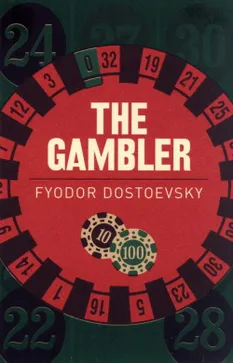
The book The Gambler was written by Russian novelist Fyodor Dostoevsky in 1866, when he was under pressure to pay off a gambling debt. The book gives a psychological profile of addiction that is similar to what many players go through in modern casino non‑GamStop environments, including those featured in the trusted new casinos not on GamStop list.
It took Dostoevsky 26 days to finish writing the book, during which he drew on his time in Wiesbaden and Baden-Baden for ideas.
Many still admire the story because it demonstrates how one wager can affect a person’s social status and mental health. The story is still the best study of what makes those take risks with everything on a single turn of the wheel.
Depth of the Narrative
Dostoevsky uses Alexei Ivanovich’s inner speech to show that gamblers don’t think right. Alexei believes that a winning streak is a matter of fate rather than mathematical probability, a sentiment shared by many visitors to a casino non GamStop platform. The protagonist describes the physical sensation of standing at the roulette table, where the ball’s clatter creates a suspension of time.
Modern psychologists call this state of being wholly focused on the game and blocking out everything else in the zone. Dostoevsky writes about this state with a clarity that has made the book timeless.
Roulette as a Social Metaphor
Roulette is central to the story and shows how unstable the European nobility was in the 19th century. In the novella, characters typically see a casino non GamStop session as a quick way to get back their family standing or get married. General Zagoryansky and Polina Alexandrovna are examples of people whose livelihoods depend totally on the next big money event.
Dostoevsky utilises the spinning wheel to emphasise that money doesn’t last and can be lost in a matter of seconds. This social commentary shows how weak people are when they depend on chance to overcome complex challenges in their lives.
Realism Through Personal Experience
Dostoevsky’s actual battle with a gambling addiction that lasted for several years gives The Gambler its authenticity. The author went to a casino non GamStop in Germany a lot, where he lost thousands of roubles and often had no money for food or a place to stay. These experiences helped him write about how Grandmother, a character who loses all her money in one afternoon, feels.
Her quick fall from being a wealthy matriarch to a broke relative is a real warning about how quickly you may lose money. Dostoevsky’s letters from this time show that the conversations in the book are a direct reflection of how he felt.
Modern Parallels in Digital Gaming
The way individuals bet has shifted from physical halls to digital interfaces, but the basic emotions people feel when they bet have not changed. In today’s world, someone who goes to a casino non GamStop site experiences the same highs and lows that Dostoevsky wrote about more than a hundred years ago.
Gamers may play the same games, such as roulette and baccarat, that the people in the book were infatuated with, all day and all night, on digital platforms.
In the 19th century, fortunes changed hands in a matter of minutes. Online transactions happen almost as swiftly. This link between old texts and how we use technology now makes the tale real.
Strategies and the House Edge
Characters in the book frequently discuss betting systems, such as the Martingale strategy, to overcome the house edge. Alexei Ivanovich attempts to track patterns in the numbers, a behaviour still seen among users of a casino non GamStop service.
Dostoevsky demonstrates that these systems provide a false sense of security, as the house maintains a 2.7% mathematical advantage in European roulette.
The novella serves as a factual reminder that no amount of observation can change the game’s fundamental randomness. Understanding these probabilities is a recurring theme that helps readers distinguish between skill and pure luck.

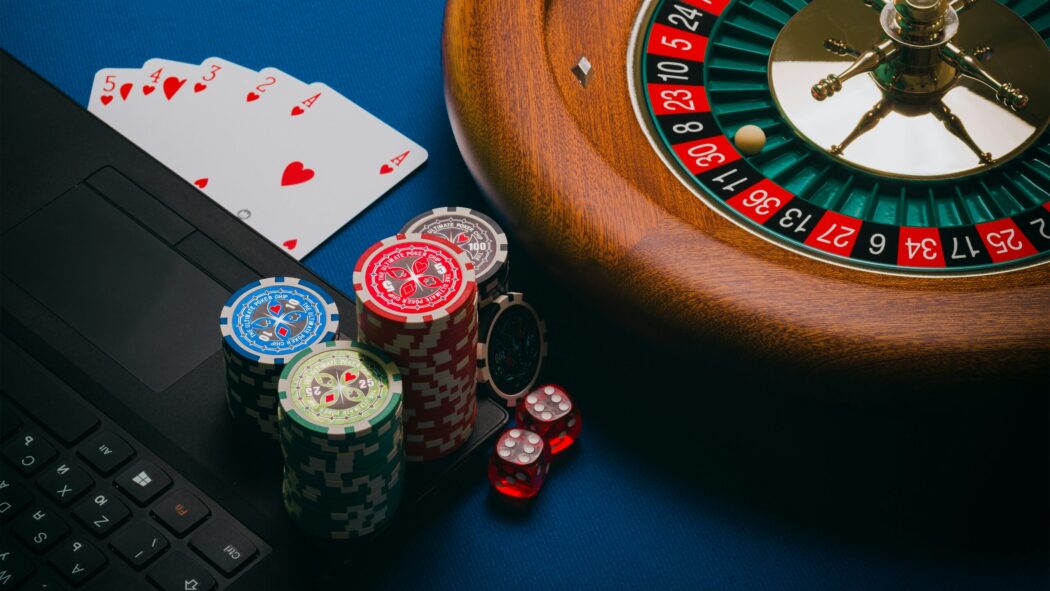
Image provided by Leon-Pascal Jc (Unsplash)
Lasting Impact on Gambling Literature
Literary critics consider The Gambler as the cornerstone of contemporary narratives centred on high-stakes gambling and financial peril. Dostoevsky’s structural style has had an effect on every memoir written by a professional player or someone who goes to a casino non GamStop facility a lot.
Without any moralising, the book presents the facts of the addiction in the clinical manner of a physician, leaving the reader to make their own judgment of the character’s decisions and the consequences that ensue. In the portrayal of the workings of the mind, Dostoevsky has left an immortal document, an artwork, and a psychological case history.
Have you read books with a similar theme?