
Literary books featuring high‑stakes gambling sometimes derive from the recorded lives of professional players and historical characters. Many authors go beyond fiction to describe real events that took place in well‑known venues or in casino non‑GamStop settings, including casinos outside the GamStop registry, during the industry’s digital transition.
The most memorable stories are based on real events, financial difficulties, and confirmed winning streaks. These books are historical records of how people used to deal with tricky betting systems before modern rules were put in place. To understand the truth behind the text, you need to know how to be technically precise in the realm of professional gambling.
The MIT Blackjack Team Reality
Bringing Down the House by Ben Mezrich details how a group of students at the Massachusetts Institute of Technology got together to form a team of card counters and earn millions of dollars from non GamStop casinos around the world. The book reads like a story, but the maths and the spotter roles were all genuine.
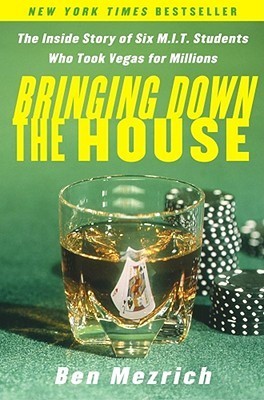
Bringing Down The House (Ben Mezrich)
A lot of gamers now utilise the same analytical methods when they play on a casino non GamStop platform to keep their house edge in check. The crew was banned for life and threatened with physical harm, showing that the technical edge they had had serious real-world effects.
Dostoevsky’s Personal Financial Ruin
Fyodor Dostoevsky intended to write The Gambler because he couldn’t stop himself from gambling too much in German spa towns, and he had signed a predatory book deal that would require him to send the publisher a new book in a couple of weeks or lose the rights to all of his future works. The strain made him talk about his real-life experiences with roulette, such as how it felt to lose a fortune of thousands of rubles in a matter of minutes.
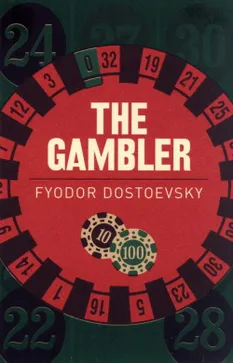
The Gambler (Fyodor Dostoevsky)
Those who use a casino non GamStop site nowadays tend to agree with his statements since the way the wheel works hasn’t changed. The only way Dostoevsky could pay off his debts was through the enormous financial success of this autobiographical book.
Molly Bloom’s Underground Empire
Molly’s Game tells the story of the most private and high-stakes poker games ever held in Los Angeles and New York. Molly Bloom, who used to be a skier, set up games with Hollywood stars and worldwide business moguls where the buy-in was more than £100,000. Investigative documents show that the FBI finally shut down the organisation because it was linked to organised crime and unlawful financial transactions.
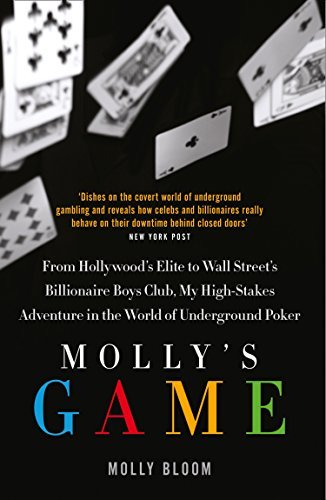
Molly’s Game (Molly Bloom)
The book goes into detail about how to host dark games, which is different from how a regulated casino non GamStop facility runs its operation. Bloom’s story is still a proper warning about the legal hazards of running a business outside of approved gaming rules.
The Mathematical Genius of Edward Thorp
Beat the Dealer is the main book that showed a player could beat the house in blackjack using math skills. Edward O. Thorp, a mathematics professor, utilised an IBM 704 computer to run billions of hands and come up with the first ten-count method.
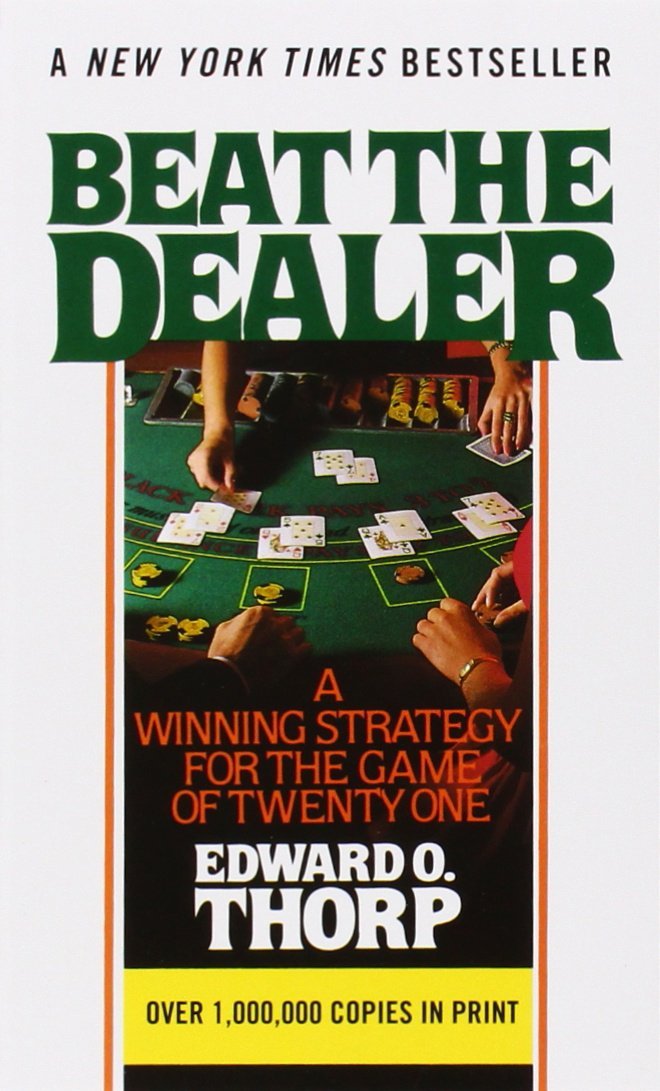
Beat the Dealer (Edward Thorp)
His study was so precise that it made every casino non-GamStop and land-based operator adjust its regulations. For example, they had to add many decks and shuffle them often.
Thorp wore disguises and used early wearable computers to stay ahead of the house in his life tale. This book is still a must-read for anybody who wants to learn about the connection between probability theory and real-life game outcomes.
Nick Pileggi and the Vegas Syndicate
Casino is a nonfiction book that became a well-known film. It is about Frank Lefty Rosenthal and the operation of the Stardust. Pileggi interviewed hundreds of police officers and syndicate members to research the 1970s casino skimming operations. The story explains how millions of dollars in cash were taken out of the counting rooms before being reported to the police.
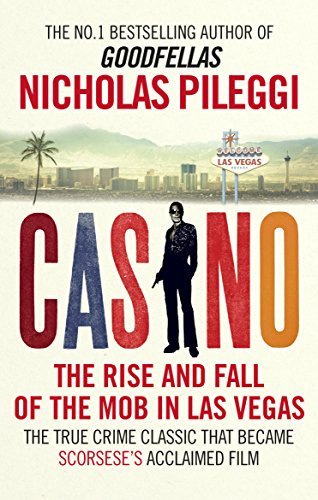
Casino (Nicholas Pileggi)
These occurrences in history led to the severe auditing methods that any casino not on GamStop must follow today to keep their international licenses. Pileggi’s research gives the best picture of the time before digital supervision and corporate ownership changed the business.
Truth of Titanic Thompson
The Unbelievable Life of Titanic Thompson chronicles the life of Alvin Titanic Thompson, a man who bet on everything from heads or tails to golf. Thompson, an underworld hustler, would make bets with everyone from mob boss Al Capone to baseball legend Ty Cobb using only physics and deception. He’s also said to have loved proposition bets, in which he would create a situation that appeared to be fair but in reality was stacked in his favour.
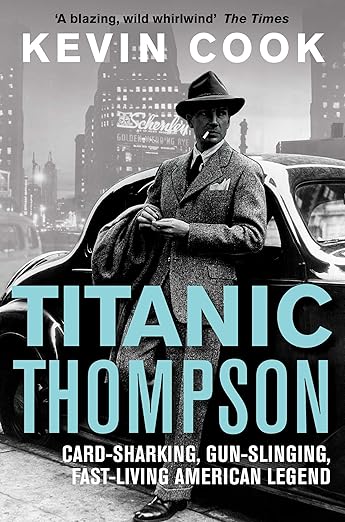
Titanic Thompson (Kevin Cook)
His life was the most basic type of gambling, where you had to be able to recognise your opponent’s vulnerability to stay alive. This accurate biography looks at the human side of every digital casino non GamStop transaction that still occurs.
Have you read any other books with a similar theme?