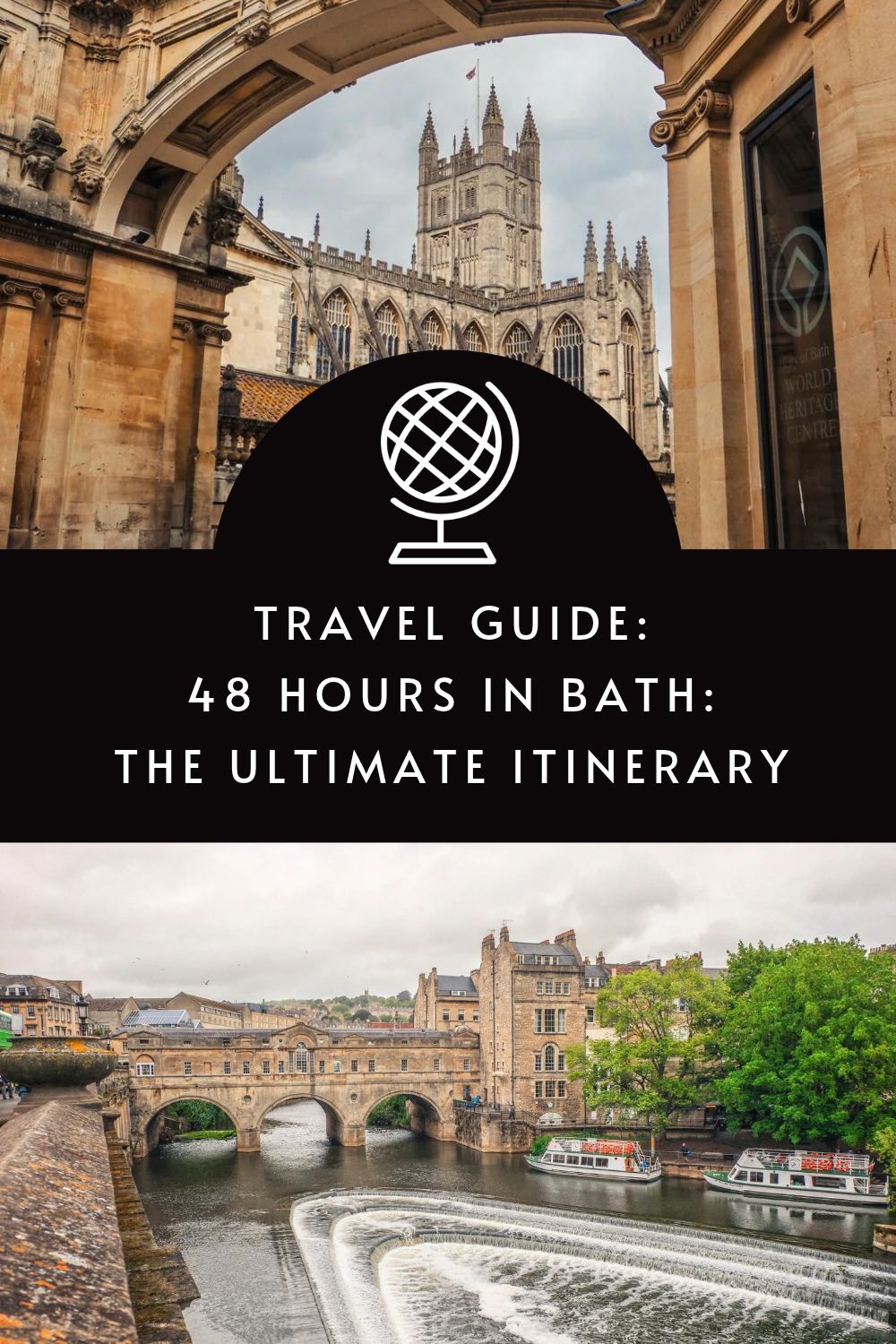
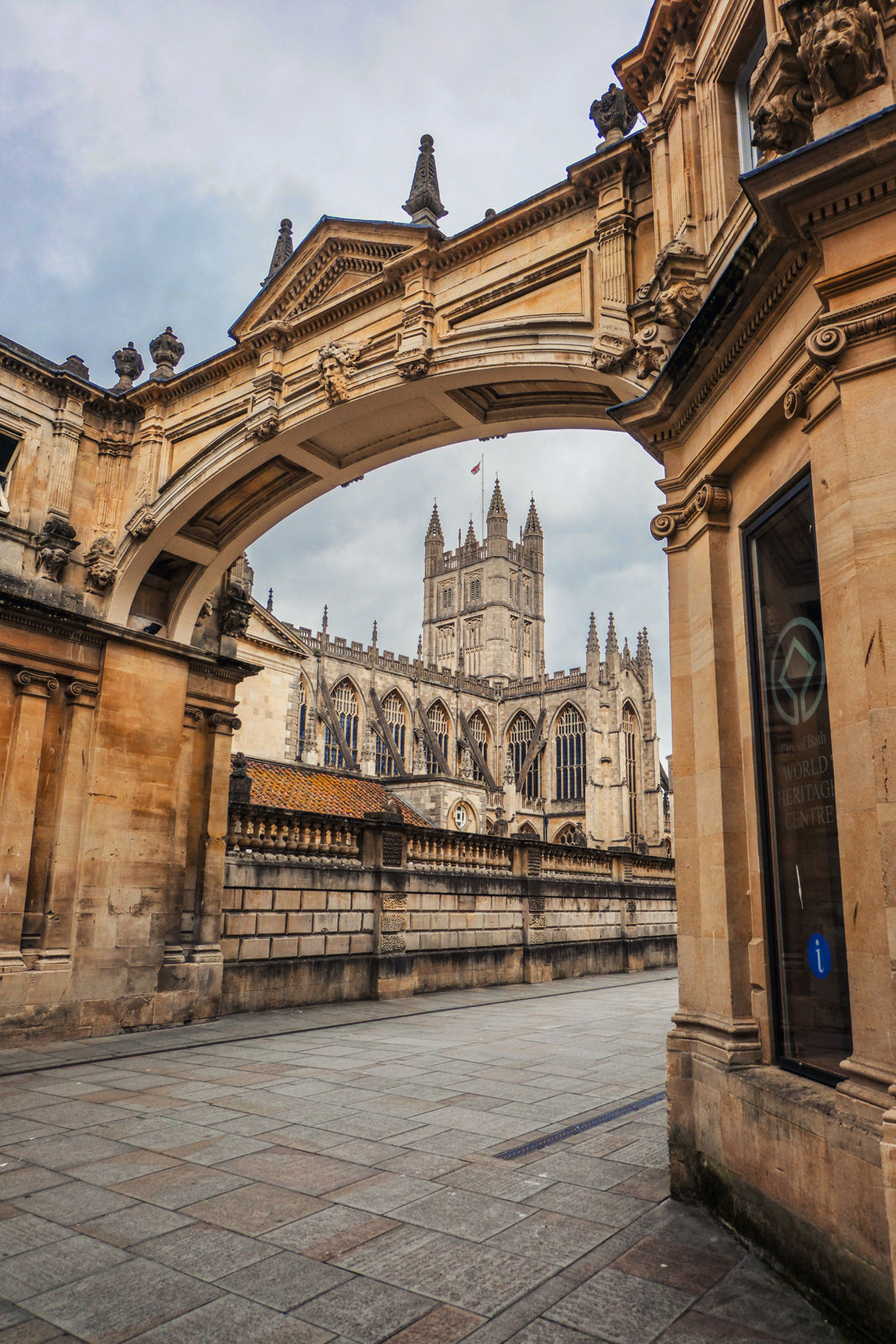
Very much one of the prettiest towns in the UK, Bath in Somerset is famous for the Roman Baths, the Georgian building, particularly the Royal Crescent, and the Weir, which actually runs right past the Bath Rugby ground and right next to Pulteney Bridge. It’s no surprise really that it’s a UNESCO World Heritage site and one of the most famous spa towns in Europe.
Jane Austen fans come to the city every year for the annual festival to celebrate Jane Austen, to attend the period balls, the literary walks and, of course, the famous Regency costumed promenade. It’s now very much in use as a filming location for the hugely popular Netflix series Bridgerton.
It has very quickly become one of our favourite cities in England, and whether you have just 24 hours or a week to explore, there is plenty for everyone.
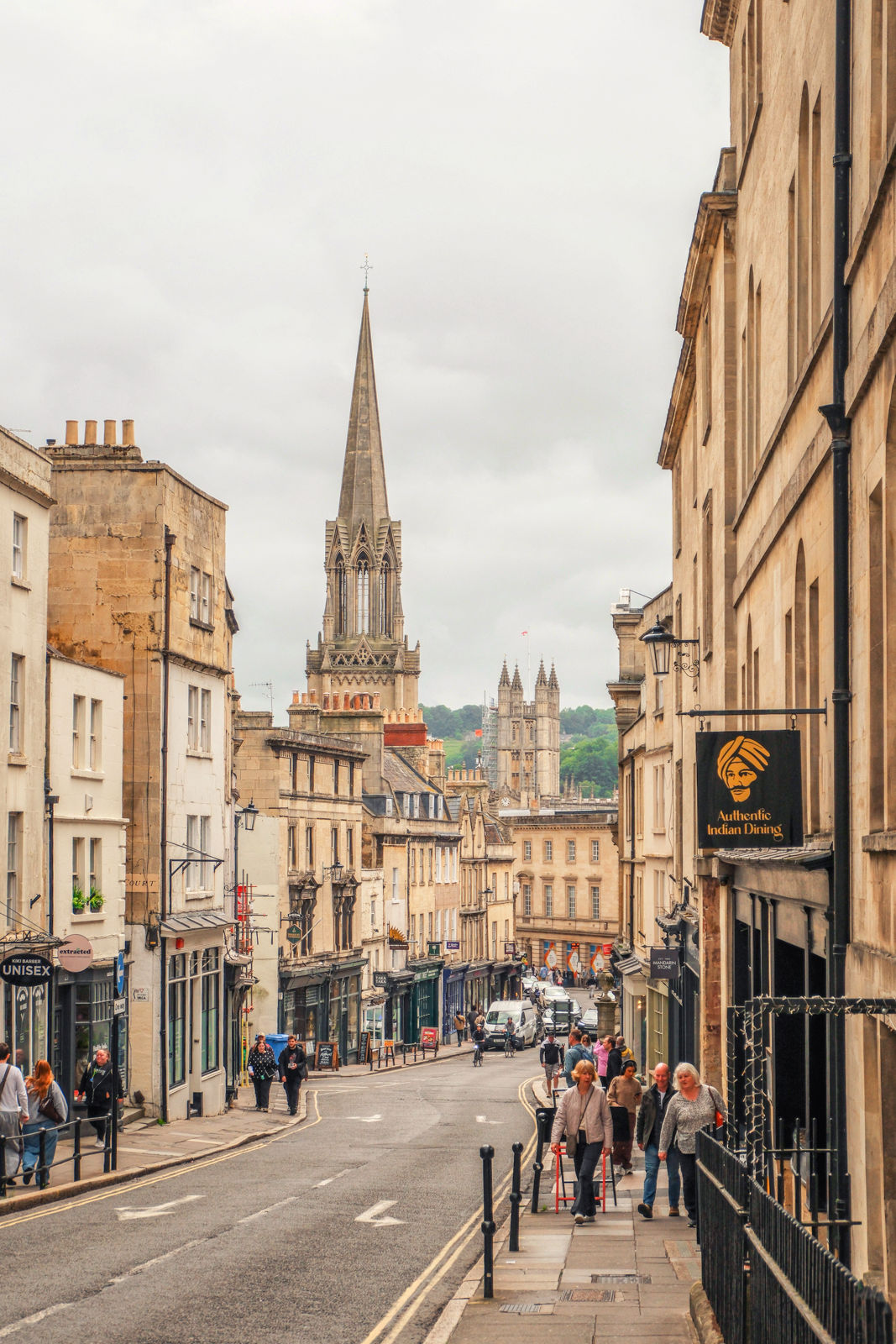
Bath in Somerset: At a Glance
| Information | Details |
| Best for: | History Buffs and Literature Lovers |
| Time needed: | 48 hours |
| Ideal season: | Any time of year, although September is busier due to the Jane Austen Festival, and there is also a popular Christmas market held in the city from the end of November until Mid-December. |
| Getting there: | From London, trains to Bath run every half hour and take just over 1 hour. It is also just 11 miles from Bristol for those looking to fly in, while travelling by car is also simple, as there are several park and ride options. Just be mindful of the Clean Air Zone if you are driving to Bath in your camper or motorhome, as heavier vehicles are charged. You can check if your vehicle is compliant by using this Clean Air Zone Checker. |
| Getting around: | Bath is a walkable city, but there is also a city sightseeing bus tour available as well as a short river cruise along the River Avon to get a closer look at the Weir. |
| Budget: | ££ |
| Walking involved: | Easy to moderate depending on the routes taken around the city. There are slight inclines to consider, but the majority of the centre of the city is flat, and it takes around 15 minutes to walk from Bath Abbey to the Royal Crescent (one side of the city to the other). |
Where to Stay in Bath
Luxury Accommodation:
Set on Bath’s magnificent Great Pulteney Street, No. 15 is a stylish boutique hotel that combines Georgian elegance with contemporary comfort. Its enviable location places guests just a short walk from some of Bath’s most iconic landmarks, including Pulteney Bridge, Bath Abbey and the Roman Baths, making it an ideal base for exploring the city on foot.
Mid-range Accommodation:
Tucked away on one of Bath’s charming cobbled streets, Harrington’s Boutique Hotel offers a peaceful retreat in the very heart of the city. Housed within an elegant 18th-century building, the hotel blends historic character with stylish, contemporary interiors, creating a welcoming base for a city break.
Budget Accommodation:
The Z Hotel Bath offers a convenient and comfortable base for exploring the city’s historic streets and cultural attractions. Overlooking the Theatre Royal and just a few minutes’ walk from landmarks including the Roman Baths, Bath Abbey and the elegant Georgian architecture of The Circus, the hotel is ideally located for sightseeing.
Literary-themed stays:
For Jane Austen enthusiasts, few places in Bath offer a more meaningful stay than the historic townhouse where the Austen family lived between 1801 and 1805. Beautifully combining period character with modern comforts, this spacious two-bedroom holiday home provides a unique opportunity to experience the city from one of its most significant literary addresses.
Hotel Indigo Literary Hideaway Stays
Indigo Bath combines boutique luxury with a celebration of the city’s literary heritage. The Literary Hideaway rooms are a dream for readers and writers alike, featuring shelves lined with books by authors associated with Bath, alongside a traditional writing desk and carefully chosen design details inspired by the world of literature. Whether you’re settling in with a classic novel after a day of exploring or seeking inspiration for your own writing, these thoughtfully designed rooms offer a memorable stay that perfectly reflects Bath’s enduring reputation as one of England’s great literary cities.
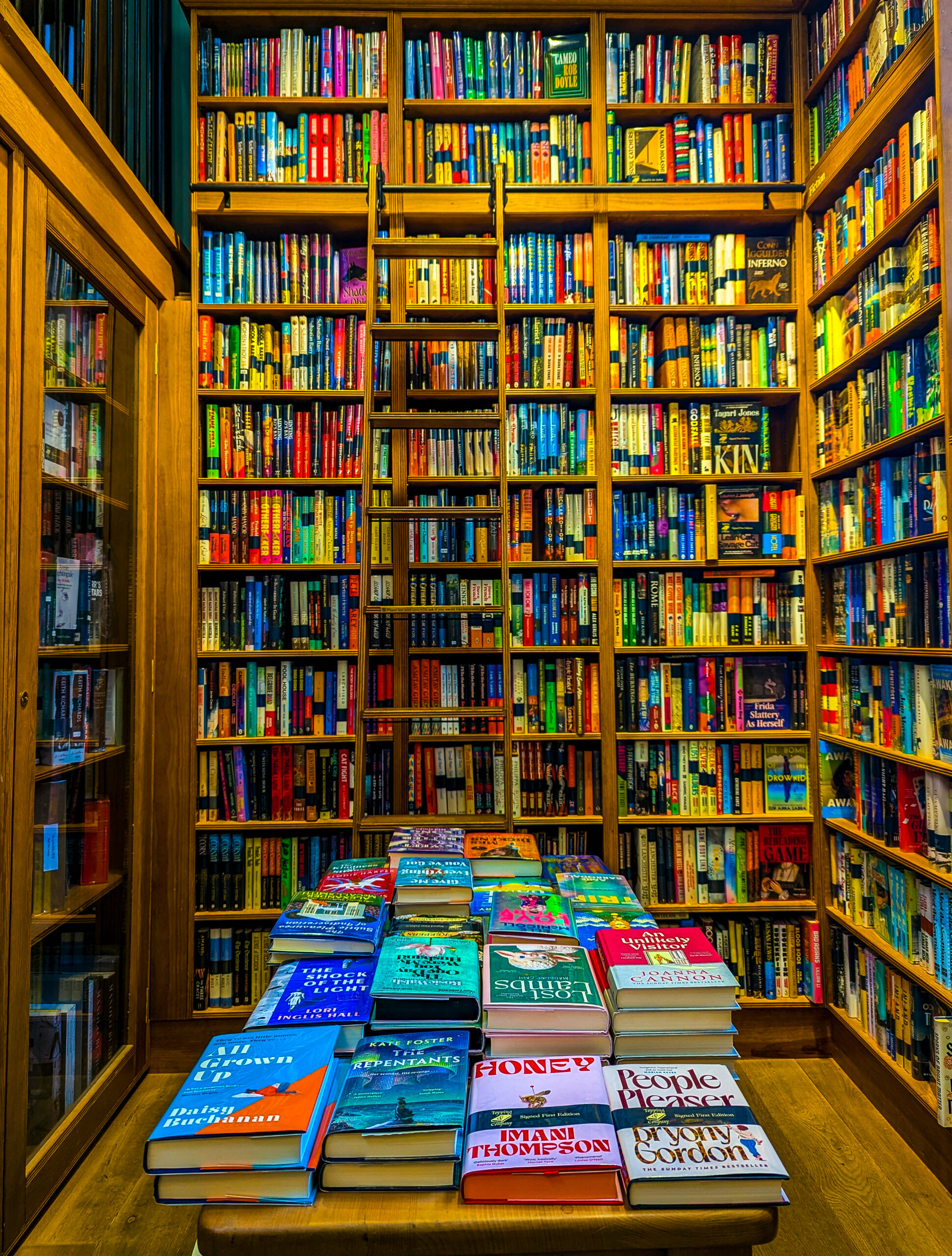
Topping & Co in Bath
Motorhome/Camping Options:
Bath Waterside & Marina Caravan Park
For those in their motorhome or touring caravan, Bath Waterside & Marina Caravan Park is one of the most convenient places to stay when exploring the city. Set alongside the River Avon just two miles from Bath’s historic centre, the park offers a peaceful waterside setting with easy access on foot, by bicycle or via regular bus services. Open throughout the year, it features spacious hard-standing pitches with electric hook-up, modern shower and toilet facilities, a launderette and complimentary Wi-Fi, making it an excellent base for a longer stay.
Lansdown Campsite
If you’d prefer to stay close to Bath while enjoying the peace and quiet of the countryside, Lansdown Campsite is a good choice. Situated on a working family farm overlooking the city from Lansdown Hill, this off-grid campsite offers a relaxing rural escape just a few minutes from Bath’s historic and literary attractions. The campsite combines a simple back-to-nature atmosphere with practical facilities, including modern showers, drinking water, washing-up areas and fire pits.
Lansdown Park & Ride
For those who are completely self-sufficient, Lansdown Park & Ride has larger bays towards the back of the car park dedicated to bigger vehicles with no height barriers installed. If you use the Park & Ride service to go into the city, overnight parking is free; alternatively, you can pay to stay independently. Other than bins, there are no other services currently available.
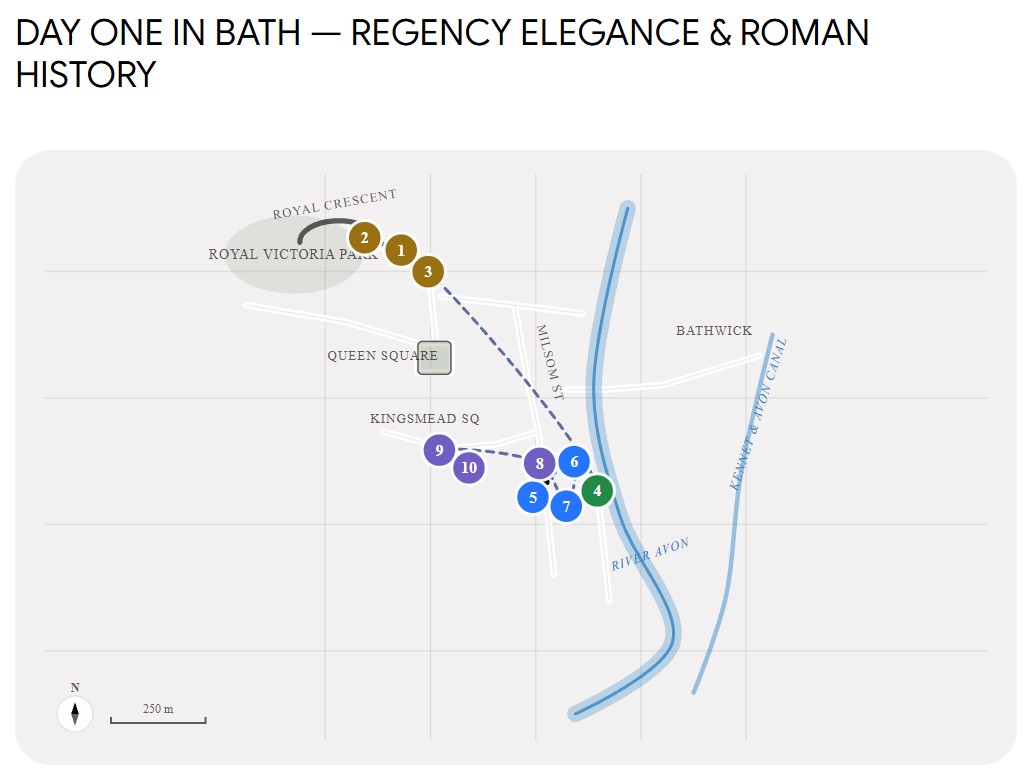
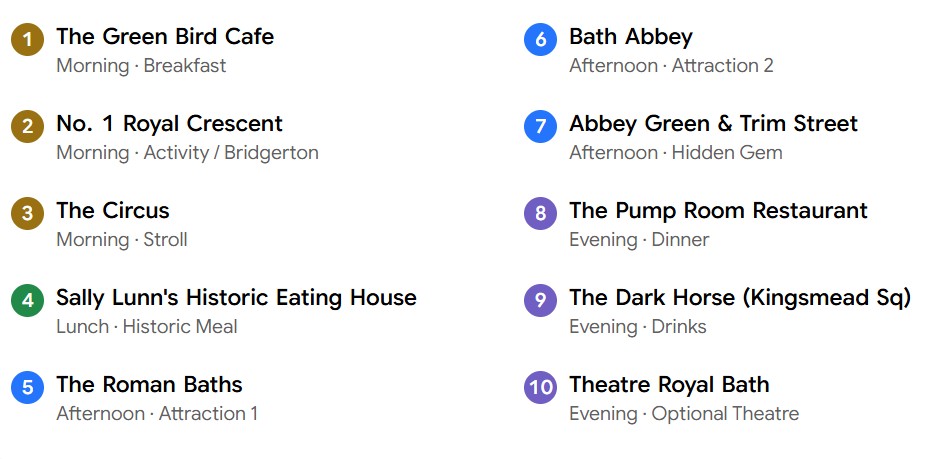
Day One in Bath Intinerary: Regency Elegance & Roman History
Begin by enjoying breakfast at The Green Bird Café.
Tucked away on the cobbled, traffic-free street of Margaret’s Buildings, this beloved neighbourhood cafe offers a warm, intimate atmosphere surrounded by independent boutiques and galleries and is the perfect place to start your day.
What to order: Try the Full Somerset Breakfast, featuring local West Country sausages and dry-cured bacon, the smashed avocado and poached eggs on toasted sourdough with chilli flakes, or a warm homemade cinnamon bun alongside locally roasted coffee.
You can check out their full menu here, and just be mindful that they are closed on Sundays. We don’t want people to head over and be disappointed.
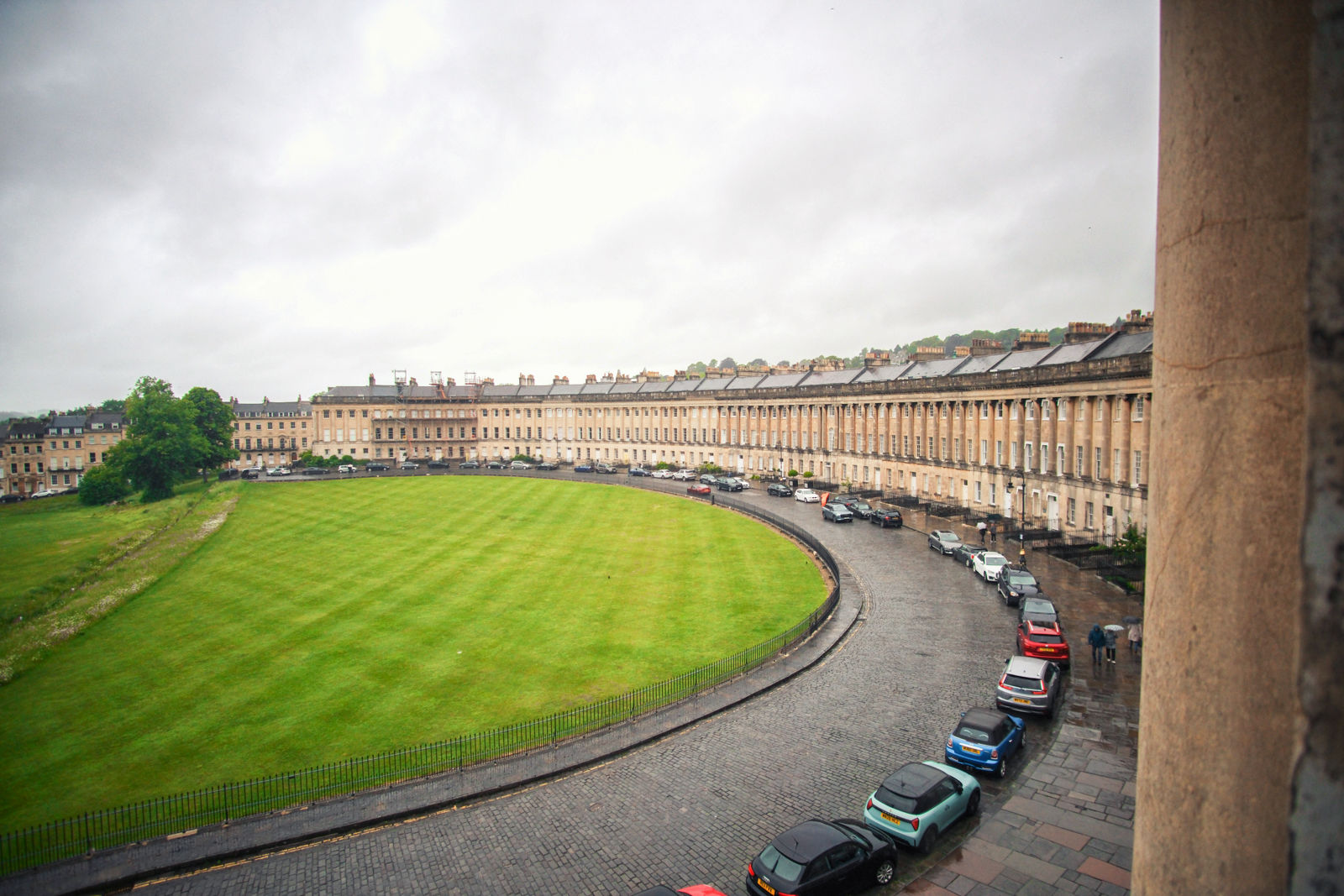
Perhaps the most famous crescent in all of Somerset
Start your trip with a visit to No. 1 Royal Crescent.
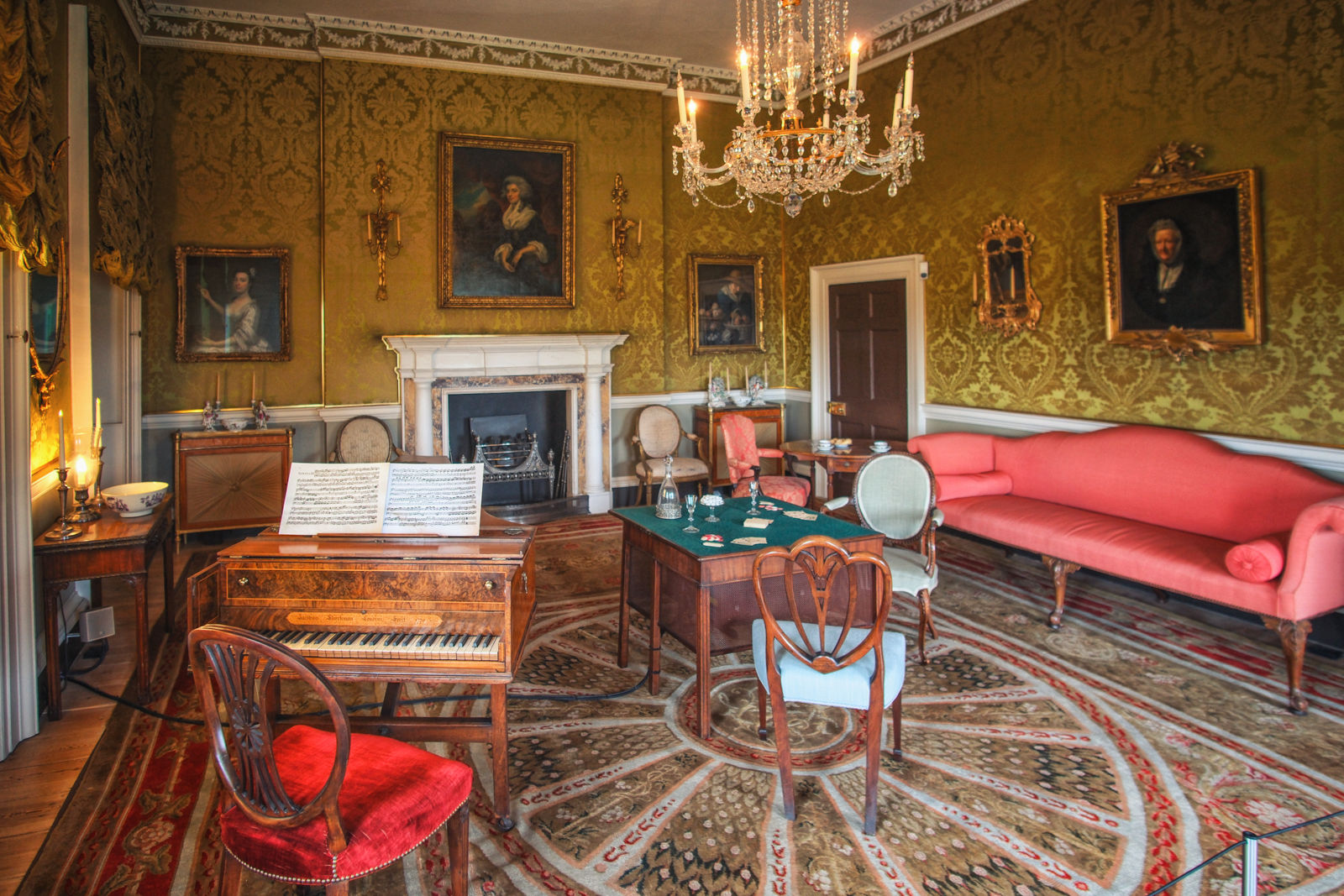
Standing at the eastern end of Bath’s most famous architectural masterpiece and perhaps one of the most photographed streets not only in Bath but in the UK, this meticulously restored Georgian townhouse museum offers an immersive look at life between 1776 and 1796. You’ll walk through the lavishly furnished rooms before descending into the below-stairs kitchen, scullery, and housekeeper’s room to see how servants kept high-society households running.
A Literary Connection: Bridgerton by Julia Quinn
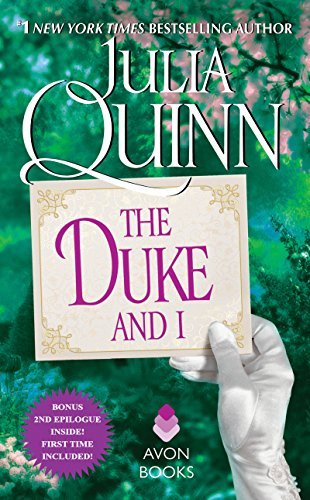
The grand exterior of No. 1 Royal Crescent has famously served as the London residence of the Featherington family in each season of the Netflix’s hit adaptation of Julia Quinn’s Regency romance novels, and standing outside it is easy to imagine oneself being dressed in Regency outfits strolling along the cobbled stones.
While the interior scenes were filmed on sets elsewhere, the exterior of No. 1 is where countless pivotal scenes were shot, including Penelope Featherington peering from the upper windows where she often watched Colin Bridgerton across the street.
Stepping inside the museum itself gives you a real-life glimpse into the exact late-18th-century domestic world that inspired Bridgerton, from the lavish drawing rooms where the gossip would have unfolded to the bustling below-stairs servants’ quarters where the household secrets were actually kept.
For those who have not watched Bridgerton, No. 1 Royal Crescent was also used in the 2008 adaptation of The Duchess starring Keira Knightley, and once you’ve soaked in the Regency glamour, if you walk to the western end of the Crescent lawn and turn left down the quiet, tree-lined pedestrian path, you will be following in the footsteps of Anne Elliot and Captain Wentworth, as this is where they shared their long-awaited reconciliation in Jane Austen’s Persuasion.
Top Tip: Book the first timed entry of the day (10 am) to experience the immersive room audio-visuals without crowds before stepping out onto the Royal Crescent lawn afterwards for unobstructed photos of the 30-house Palladian sweep.
After a morning of Regency Splendour, consider having lunch in Sally Lunn’s Historic Eating House.
Housed in one of Bath’s oldest surviving buildings, which dates back to 1482 on North Parade Passage, Sally Lunn’s is a timber-framed eatery steeped in centuries of culinary history and has welcomed several literary giants over the years, including Charles Dickens, who it is said was a frequent visitor. There is even a tiny medieval kitchen museum downstairs where the original Sally Lunn Bun recipe was created.
What to order: You cannot leave without trying the famous Sally Lunn Bun, a giant, light, brioche-style delicacy. Go sweet with cinnamon butter or homemade lemon curd, or if you prefer a savoury lunch, consider ordering one topped with Welsh rarebit or braised beef.
From Regency to Roman: Next up, explore The Roman Baths.
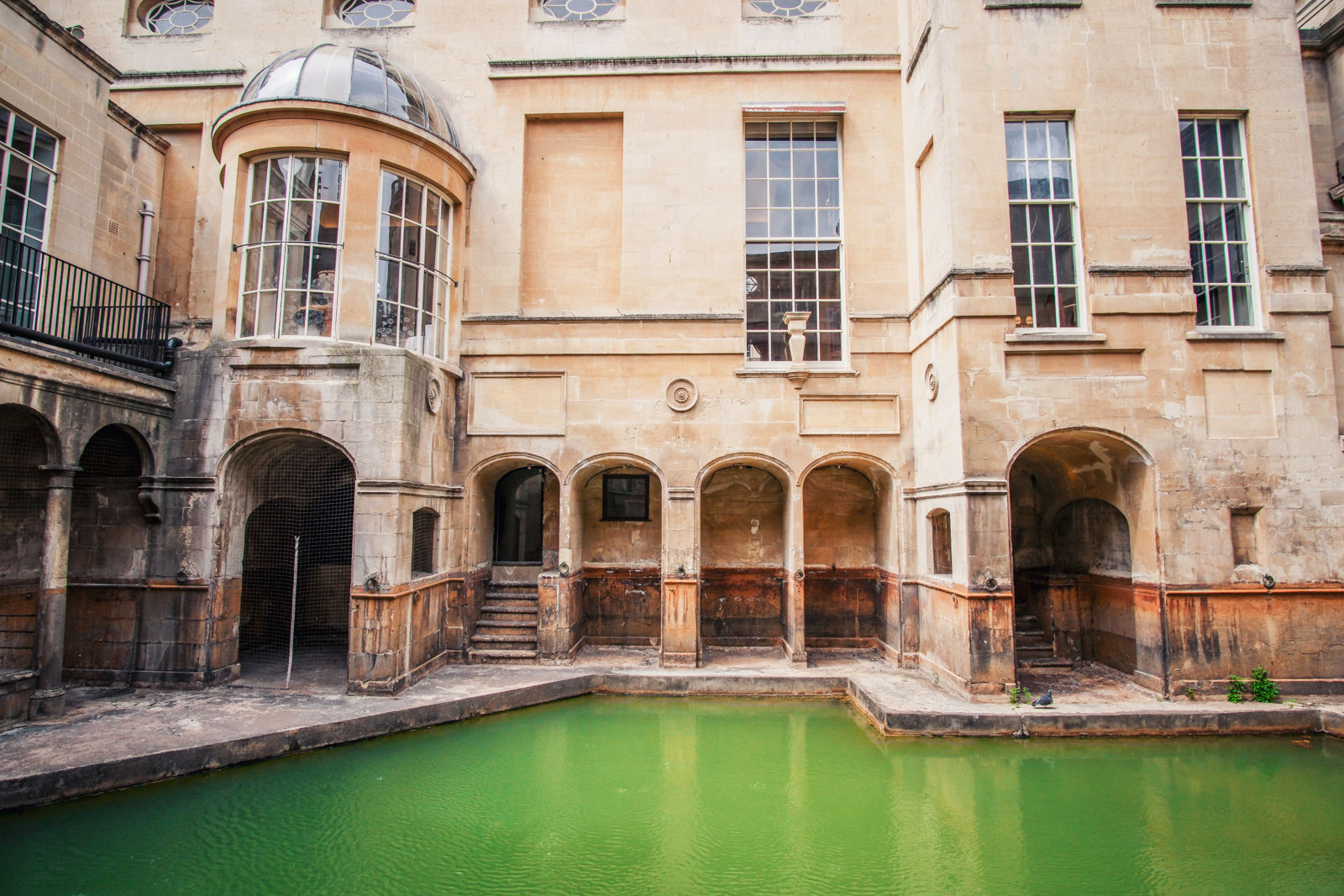
Just around the corner from Sally Lunn’s, you will find the iconic Roman Baths, which were built around Britain’s only natural hot springs. This well-preserved ancient bathing and temple complex dates back to around 70 AD. The entrance itself is grand, and whilst you cannot bathe in the warm waters any longer, you can walk along the original Roman stone paving beside the steaming, emerald-green Great Bath, take photos of the gilded bronze head of the goddess Minerva, and view ancient Roman curse tablets thrown into the Sacred Spring.
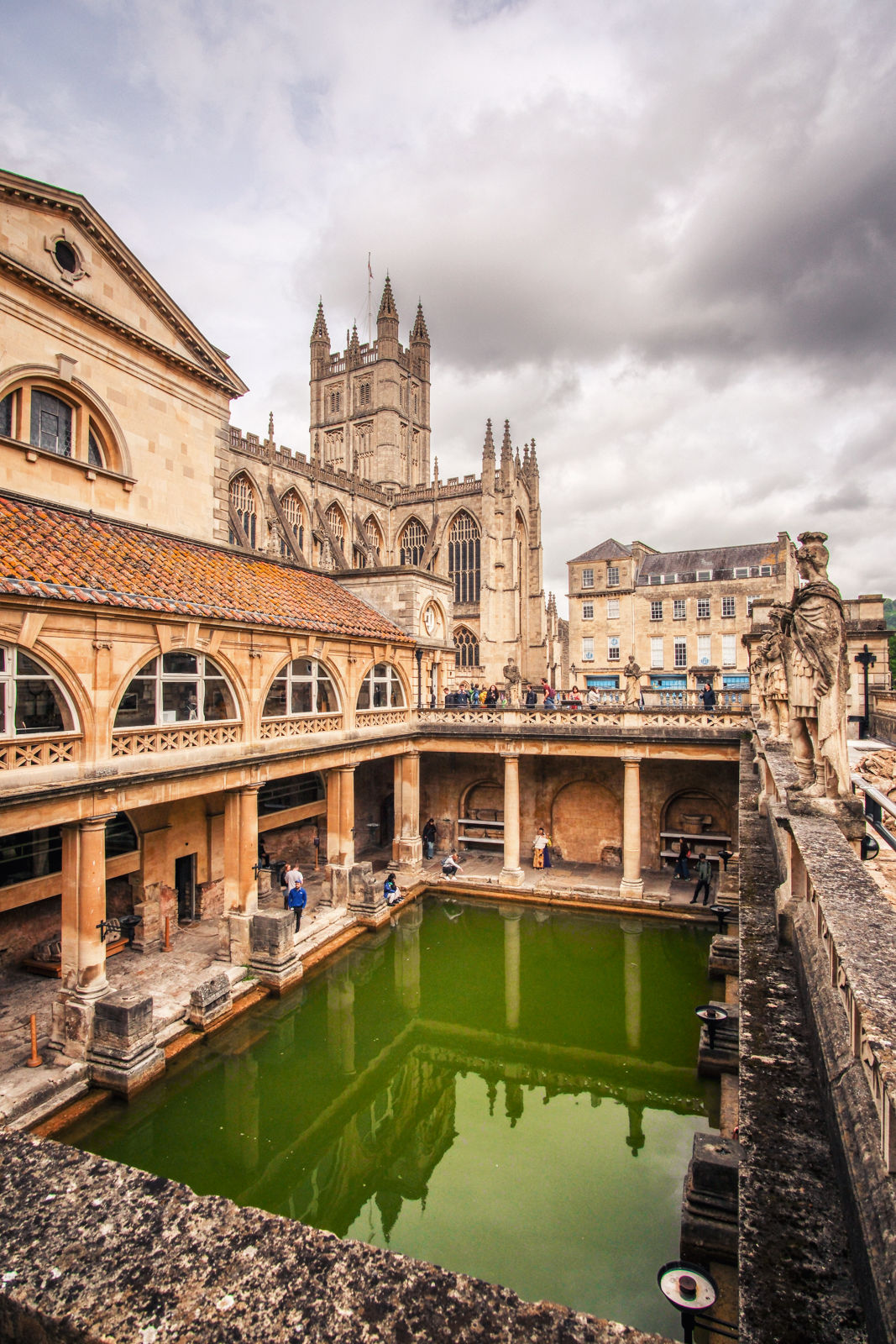
In order to enjoy your time here fully, allow at least 90 minutes to two hours to explore with the audio guide that is included in the admission price of this attraction.
Finish your first day with a visit to Bath Abbey.
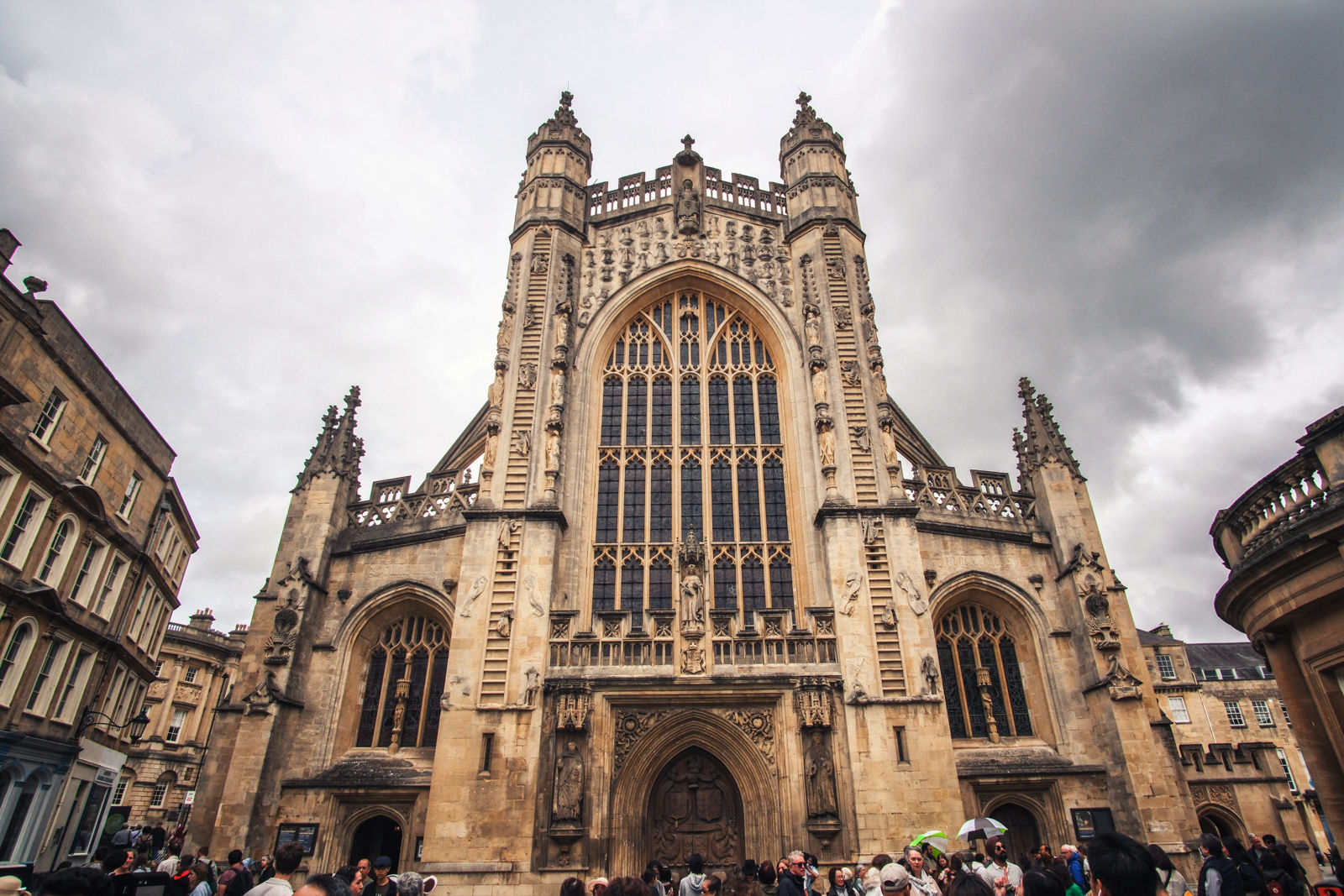
Located next to the Roman Baths, Bath Abbey is a magnificent former Benedictine monastery is famous for its soaring Gothic fan-vaulted ceiling, towering stained-glass windows, and walls covered in hundreds of historic Georgian memorial tablets.
If you have the energy and the time, consider booking a Tower Tour to climb 212 steps behind the clock face and stand out on the roof for 360-degree views of Bath’s skyline.
For those in search of a Hidden Gem: Visit Abbey Green & Trim Street.
Slip behind Bath Abbey into Abbey Green, a peaceful, cobbled courtyard shaded by a giant London plane tree, which will be recognisable to Bridgerton fans as the exterior of Madame Delacroix’s Modiste dress shop. From there, stroll north to Trim Street, a narrow Georgian lane where General James Wolfe once lived and where Jane Austen frequently shopped for ribbons and muslins.
Enjoy Dinner at the Pump Room Restaurant.
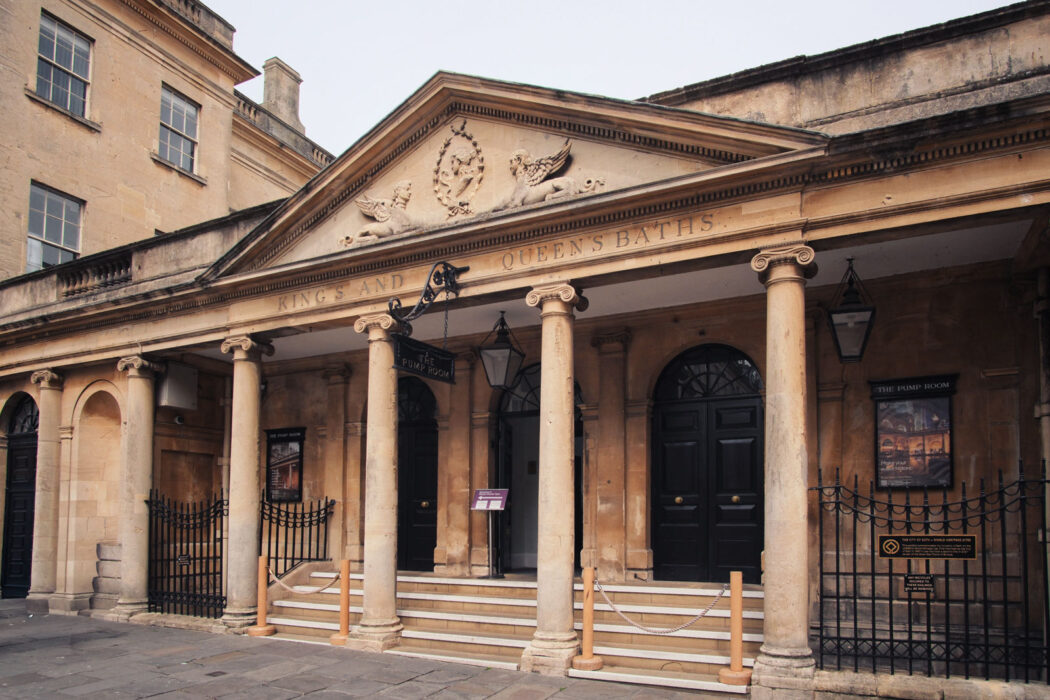
Connected directly to the Roman Baths, the Pump Room is a neo-classical salon has been the social heart of Bath for over two centuries and has featured prominently in Jane Austen’s Northanger Abbey and Persuasion.
Here you will be able to dine beneath towering Corinthian columns and a glittering crystal chandelier while a resident pianist often plays live classical music which gives the evening a rather theatrical feel to it.
What to order: This restaurant is known for its seasonal British dishes such as slow-braised Somerset lamb shoulder and pan-roasted West Country duck breast, but you should also consider trying a glass of Spa Water drawn directly from the mineral-rich King’s Spring fountain inside the room.
Finish your first day with drinks at The Dark Horse.
Tucked down a discreet, lantern-lit staircase beneath Kingsmead Square, the Dark Horse award-winning, independent cocktail bar blends candlelit speakeasy warmth with serious mixology credentials is regularly ranked among the UK’s top cocktail bars.
What to order: Ask the bartenders for one of their seasonal, locally foraged creations such as a smoky apple-and-herb Old Fashioned or a bespoke Bath Gin cocktail tailored to your palate.
For those after something more consider a trip to the Theatre Royal Bath.
This theatre is one of Britain’s oldest and most ornate working theatres. It opened its doors in 1805, and the grandeur is still present today, with its plush red velvet seating and gilded plasterwork. Line-ups here regularly include pre-West End plays, classic literary adaptations, and touring dramas.
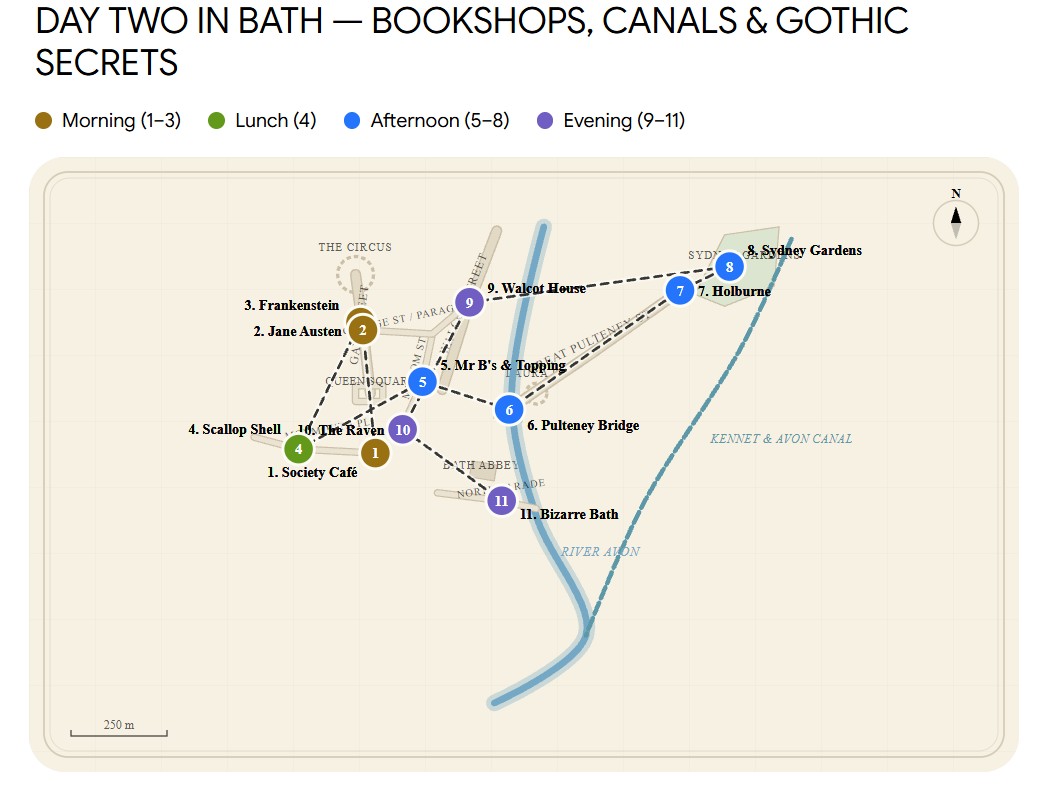
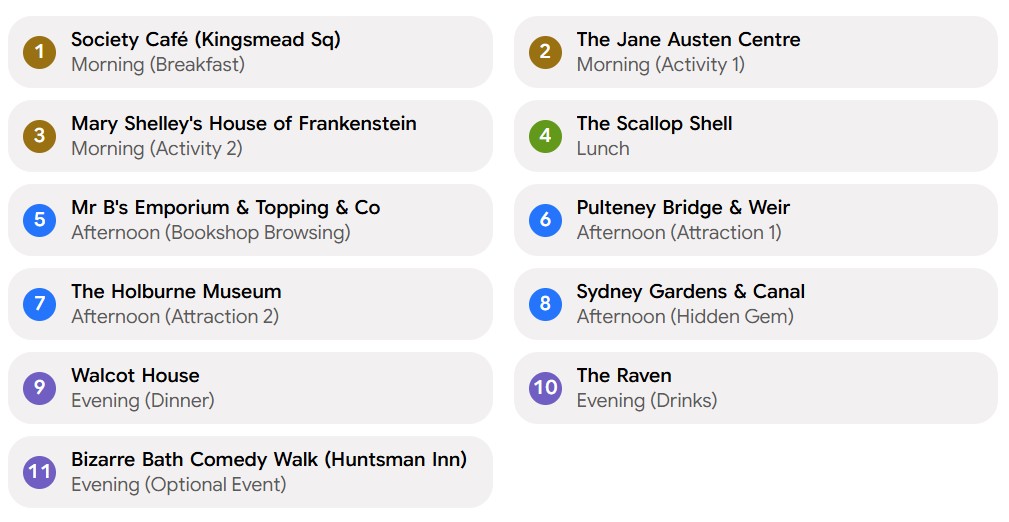
Day Two in Bath Itinerary: Bookshops, Canals and Gothic Secrets
Begin day two with Breakfast at the Society Café.
Overlooking historic Kingsmead Square, this bright, welcoming speciality coffee shop is a favourite hangout for local writers, students, and bookworms.
What to order: Pair a velvety flat white or single-origin filter coffee with their flaky almond croissants, cardamom knots, or organic Somerset porridge topped with berry compote.
Head over to the Jane Austen Centre for further insight into the great author.
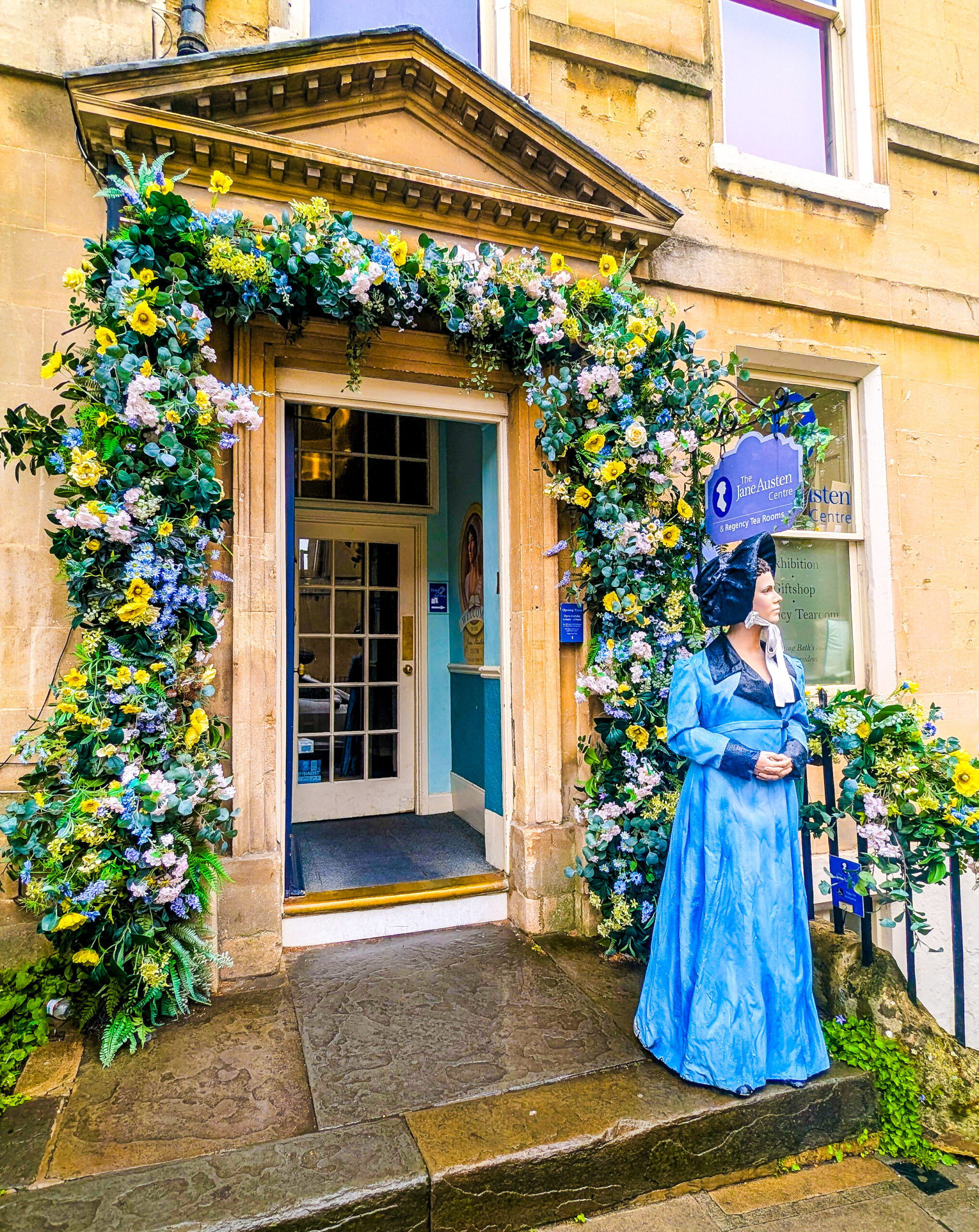
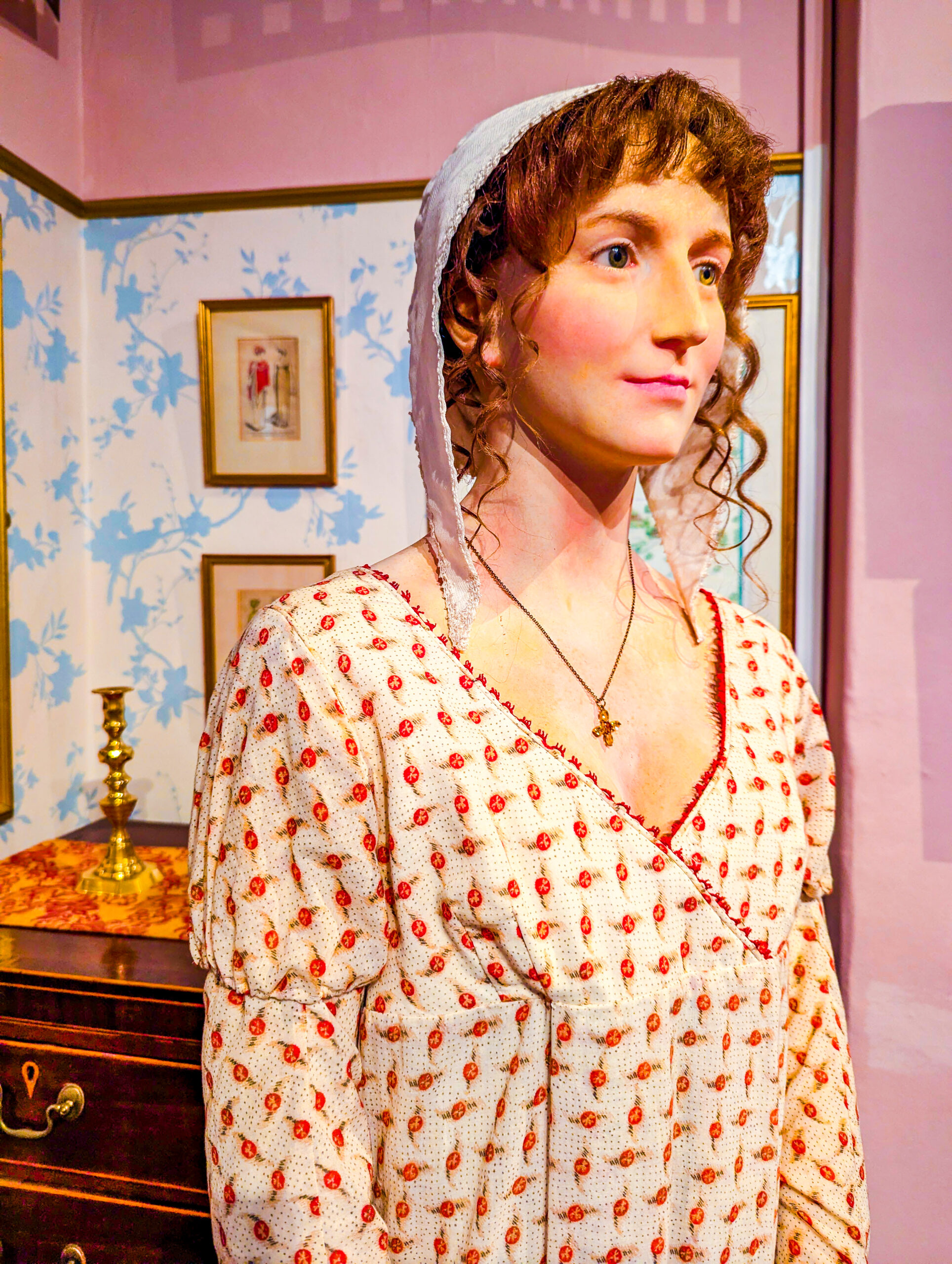
Located at 40 Gay Street, the Jane Austen Centre is just doors away from where the Austen family lived in 1805, this engaging exhibition explores how Bath’s assembly rooms, gossip, and social etiquette shaped Jane’s life and writing. Costumed guides deliver lively introductory talks before you explore exhibits featuring original manuscripts, period costumes you can try on, and a famous waxwork of the author.
A Literary Connection: Persuasion and Northanger Abbey by Jane Austen
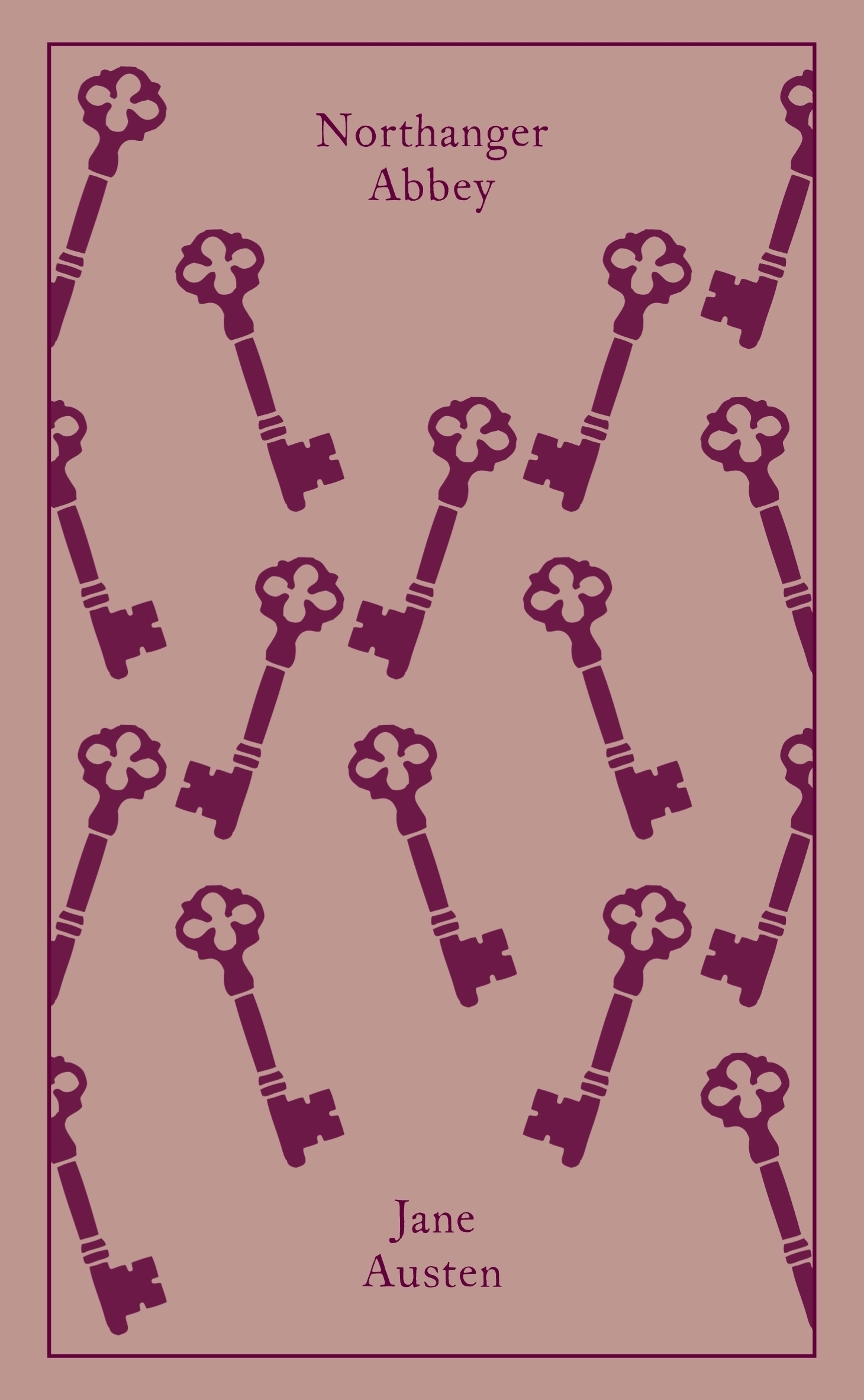
Jane Austen lived in Bath between 1801 and 1806, using the city’s fashionable promenades, pump rooms, and theatre as the backdrop for Catherine Morland’s naive adventures and Anne Elliot’s quiet heartbreak.
For something very different, head next door to Mary Shelley’s House of Frankenstein.
Just a 30-second walk up the street at 37 Gay Street, pivot from Regency romance to Gothic horror at this immersive, four-story museum dedicated to Mary Shelley and her iconic 1818 novel.
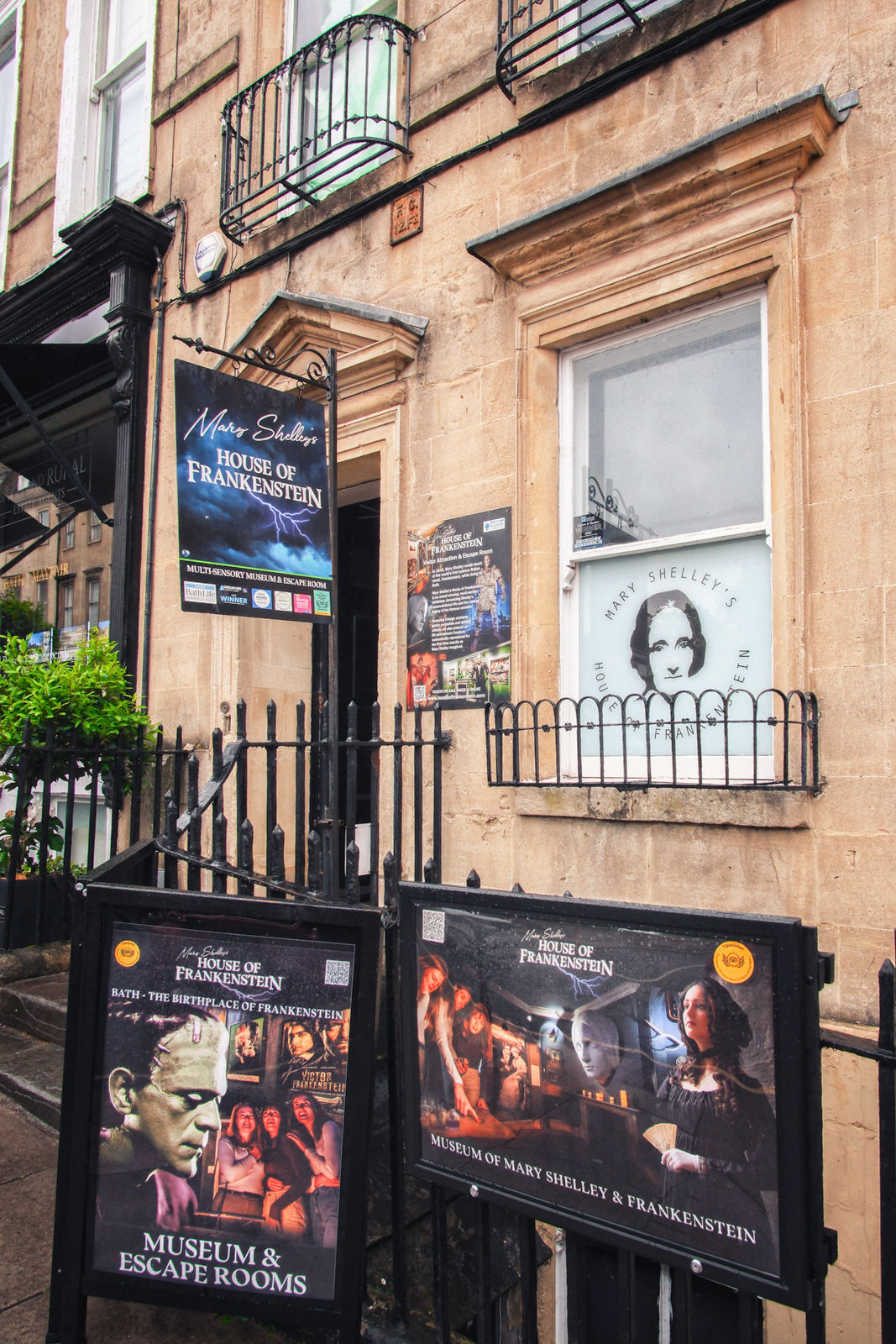
During the winter of 1816, an 18-year-old Mary Shelley lived in Bath close to Bath Abbey, while drafting major chapters of Frankenstein. Inside this atmospheric townhouse, you’ll explore the tragic personal history behind the book, peer into eerie sensory rooms, and come face-to-face with an unsettling, anatomically accurate 8-foot animatronic recreation of the Creature built exactly to Shelley’s original description.
For those brave enough, consider going down to the basement at the end of your tour, although be prepared to scream! Alternatively, you could book one of the House of Frankenstein’s basement escape rooms in advance.
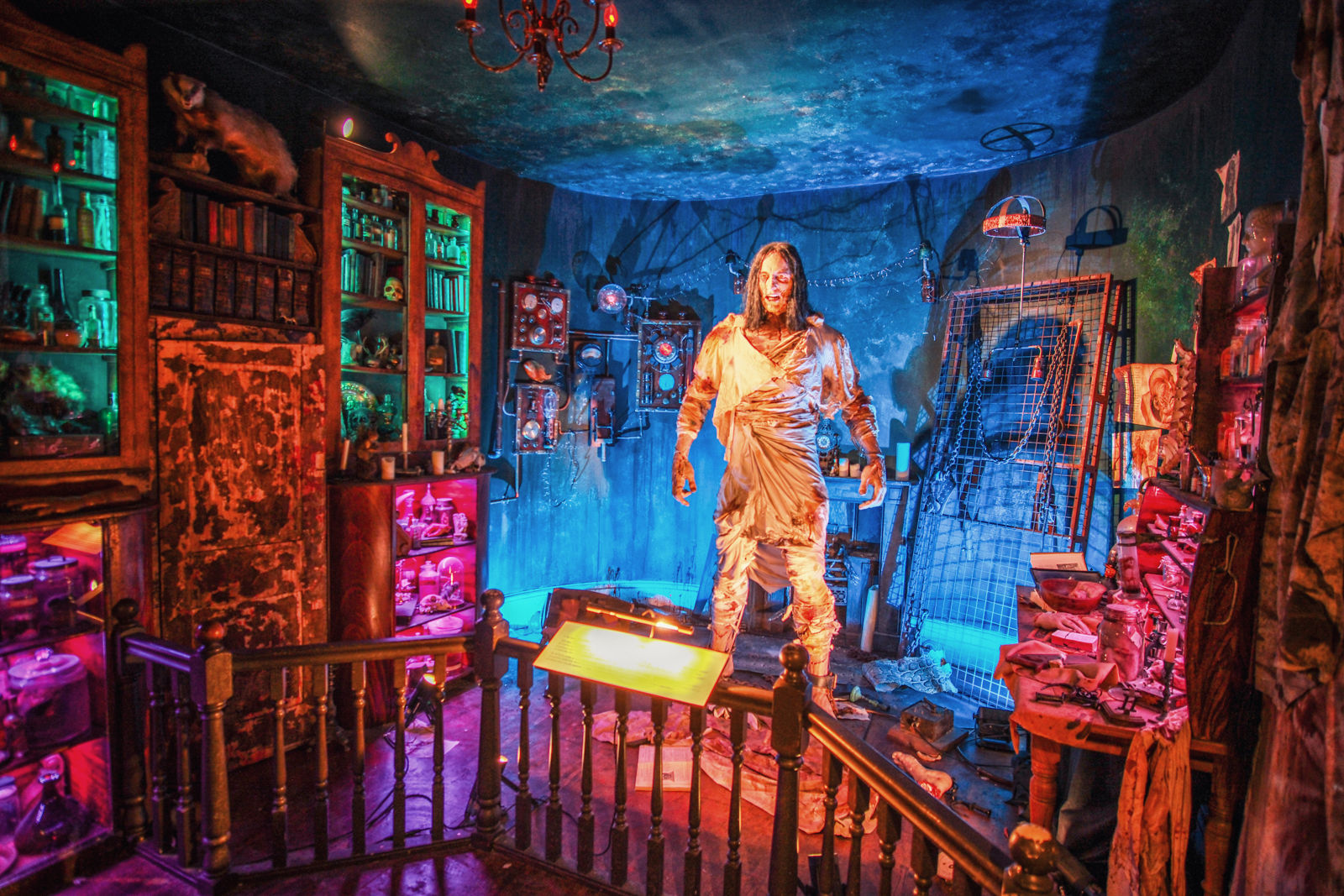
A Literary Connection: Frankenstein by Mary Shelley

Written largely during Shelley’s stay in Bath, proving the city’s literary legacy is far darker and more varied than Jane Austen and Regency ballrooms alone.
Top Tip: After finishing both museums on Gay Street, you could circle back to the Regency Tea Room upstairs at the Jane Austen Centre for Tea with Mr Darcy, where you will be offered a selection of loose-leaf tea, finger sandwiches, and warm scones with clotted cream. No museum ticket is needed for the tearoom, though booking ahead is recommended.
After a busy morning, head to The Scallop Shell for Lunch.
A short stroll from Queen Square on Monmouth Place, this award-winning, multi-story seafood restaurant celebrates the freshest catches landed daily from the South West coast.
What to order: Try the classic line-caught Cornish cod or haddock fried in traditional beef dripping with hand-cut chips and homemade mushy peas, or choose char-grilled Lyme Bay scallops with garlic and herb butter.
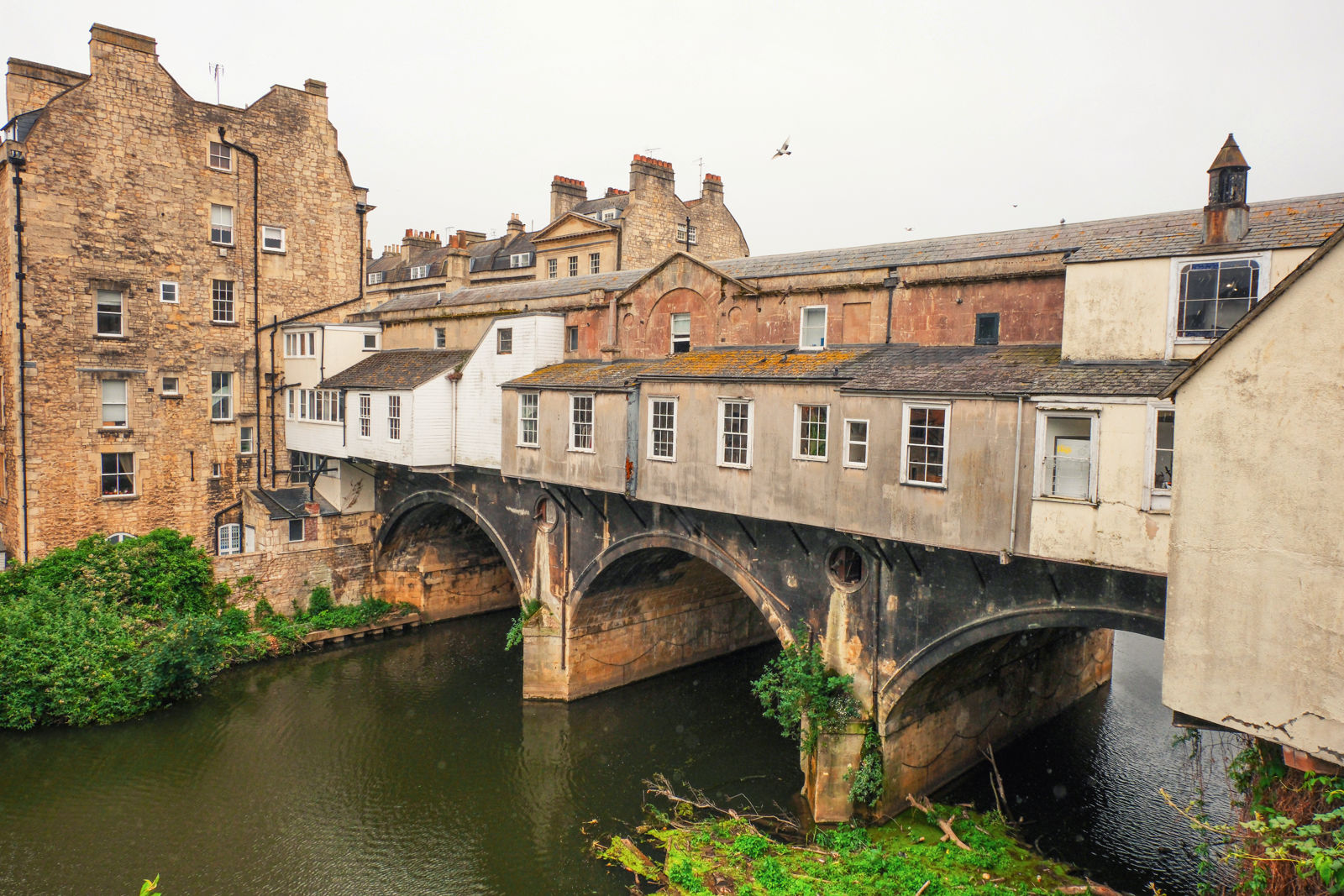
Time to explore some of Bath’s impressive architecture with a trip to Pulteney Bridge & Weir.
Designed by Robert Adam in 1774, Pulteney Bridge is one of only four bridges in the world lined with shops across its entire span on both sides. Browse the tiny independent boutiques inside before walking down to Parade Gardens or Grand Parade to photograph the dramatic, three-tiered horseshoe weir cascading across the River Avon below.
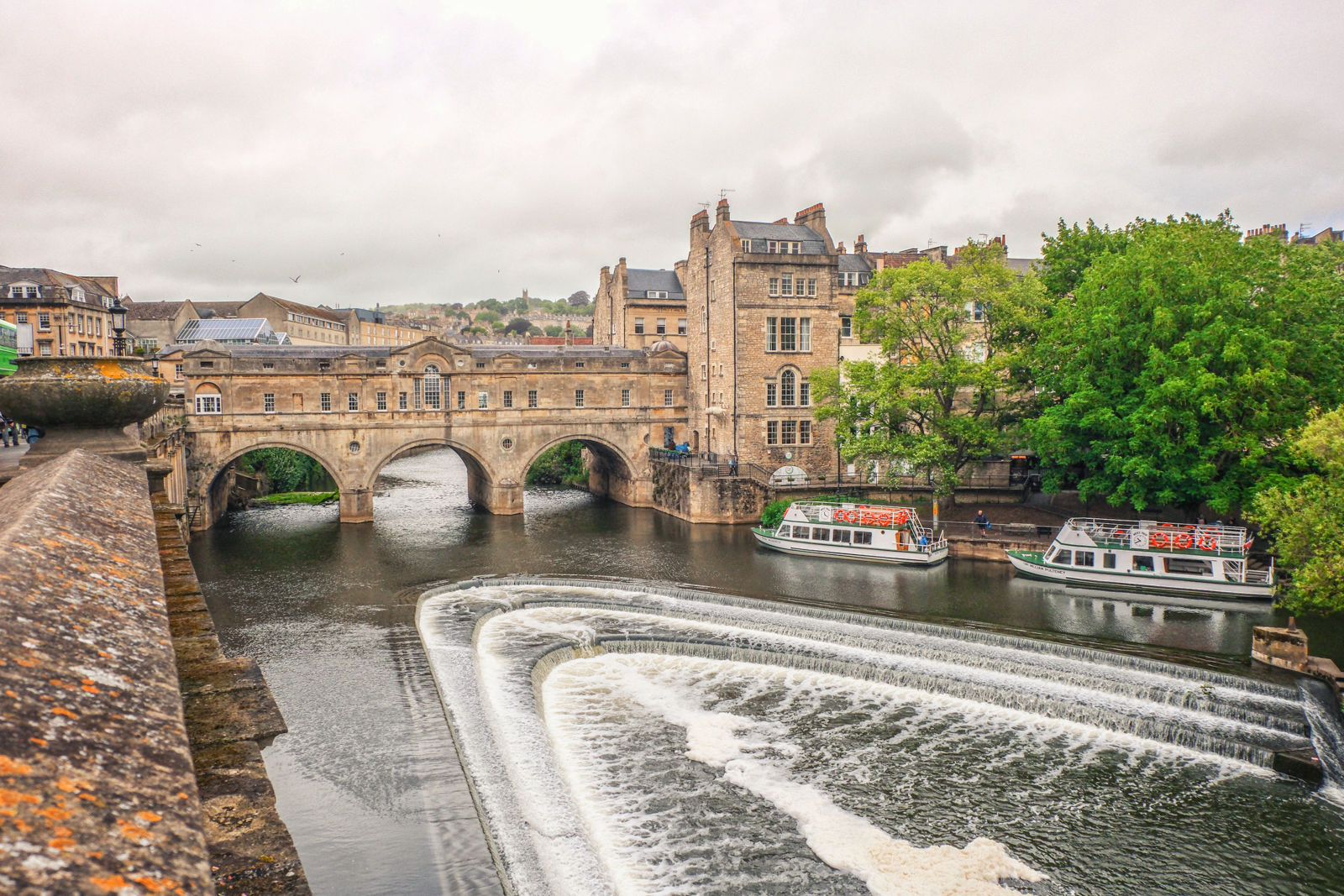
Pop in to do some shopping in the Guildhall Market.
This market has been trading for more than 800 years and today is home to many traders selling everything from leather goods to tea leaves. It is also home to Skoob’s books, an independent second-hand bookshop that has every possible genre you can imagine and is well worth a visit to top up your TBR pile while in the city.
Head to the Holburne Museum.
Walk the length of Great Pulteney Street, Bath’s widest and grandest Georgian boulevard, to reach this striking Grade I-listed building. Originally built as the Sydney Hotel, the Holburne Museum now houses an impressive collection of Renaissance bronzes, porcelain, and paintings by Thomas Gainsborough, while its facade doubles as Lady Danbury’s opulent estate in Bridgerton.
For those in search of a Hidden Gem: Visit Sydney Gardens.
Tucked directly behind the Holburne Museum, these are the only surviving 18th-century pleasure gardens in the UK. Once famous for open-air concerts, firework displays, and breakfast parties attended daily by Jane Austen, the gardens feature charming Regency footbridges spanning both the Great Western Railway and the tranquil Kennet and Avon Canal.
Consider dining at Walcot House this evening.
Set inside a sprawling former bakery on bohemian Walcot Street, in Bath’s historic Artisan Quarter, this stylish brasserie combines exposed brick, vintage club chairs, and an open kitchen.
What to order: Share wood-fired flatbreads to start, followed by dry-aged West Country rib-eye steak, roast Cornish hake, or their signature sticky toffee pudding.
Follow this with drinks at The Raven.
A quintessential, wood-panelled The Raven is a British pub on Queen Street. It is a relaxed location with no loud music, a snug upstairs dining room, and a loyal following among locals and visitors alike.
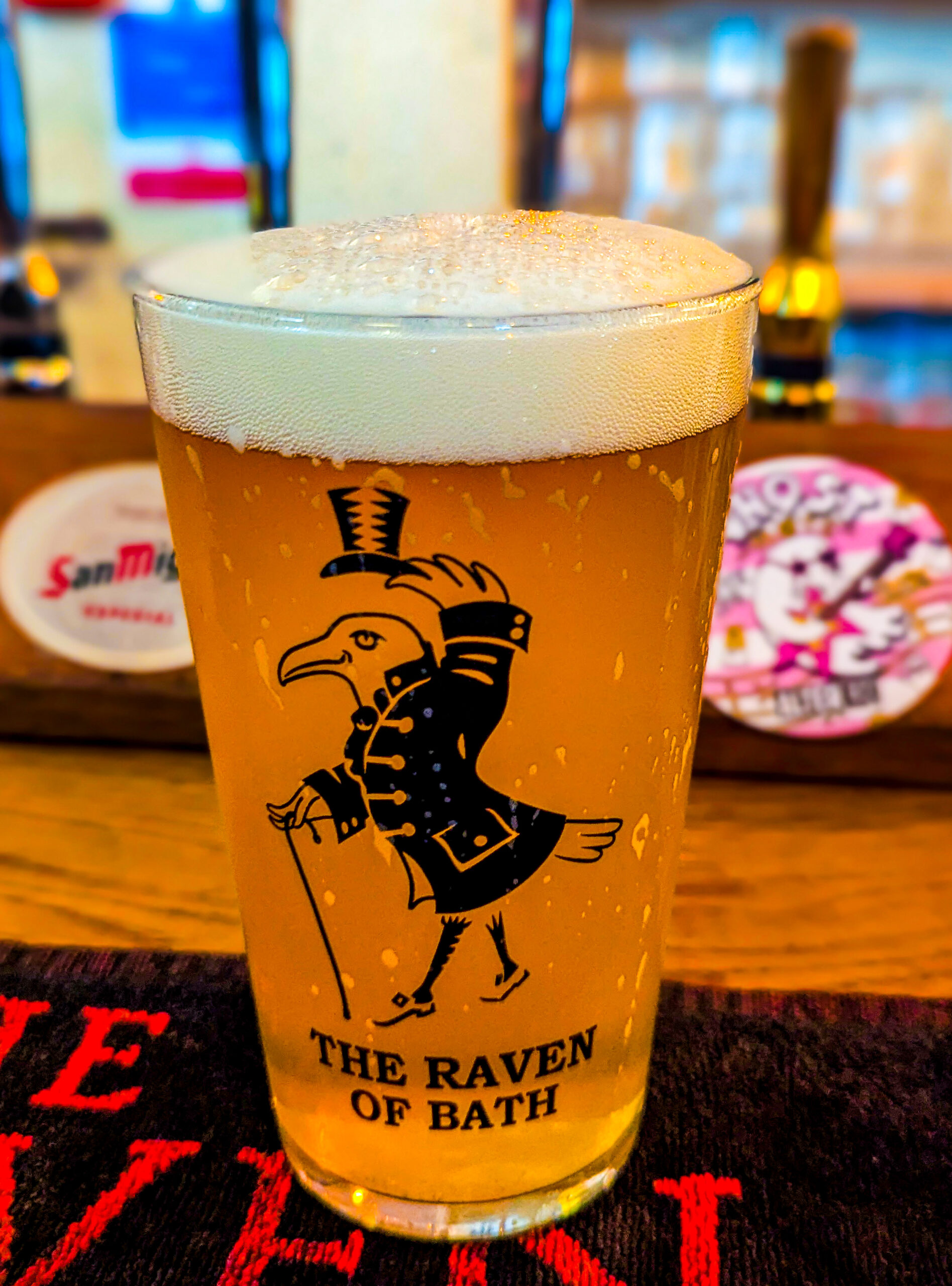
What to order: Sample a pint of locally brewed Abbey Ales Bellringer or crisp Somerset cider, and if you didn’t opt for dinner at Walcot House, consider trying one of their famous homemade gourmet pies, such as steak and ale, chicken, ham and leek or one of their daily veggie options.
For those after something more consider attending a Bizarre Bath Comedy Walk.
For an unforgettable evening out, meet outside the Huntsman Inn at 8:00 pm for this cult-favourite theatrical walking tour. Rather than dry historical dates, it blends street theatre, improvisation, and absurd storytelling as you wander Bath’s twilight streets.
Literary Highlights: A Book Lover’s Guide to Bath
Bath’s literary heritage stretches far beyond Jane Austen, spanning Gothic horror, Victorian classics, modern crime fiction, and some of the UK’s finest independent bookshops, so if, like us, you love to add a literary spin to your travels, use this guide below to weave extra bookish stops into your trip.
Famous Authors Linked to Bath
- Mary Shelley: Lived at 5 Abbey Churchyard, which is now part of the Roman Baths complex, in 1816, where she drafted major chapters of Frankenstein.
- Anna Sewell: The author of Black Beauty visited Bath for health treatments and drew directly on her observations of the city’s overworked cab and carriage horses when writing her landmark animal-welfare novel.
- Charles Dickens: Stayed frequently at 35 St James’s Square with his friend Walter Savage Landor, giving public readings at the Assembly Rooms and drawing inspiration for characters in The Pickwick Papers and The Old Curiosity Shop.
- Henry Fielding: Born nearby in Somerset, Fielding wrote much of The History of Tom Jones while staying near Bath and modelled the benevolent Squire Allworthy on Bath philanthropist Ralph Allen.
- Tim Weaver: The bestselling British thriller author behind the David Raker missing-persons series lives near Bath and frequently sets key scenes in the city and surrounding Somerset countryside.
Independent Bookshops to Visit
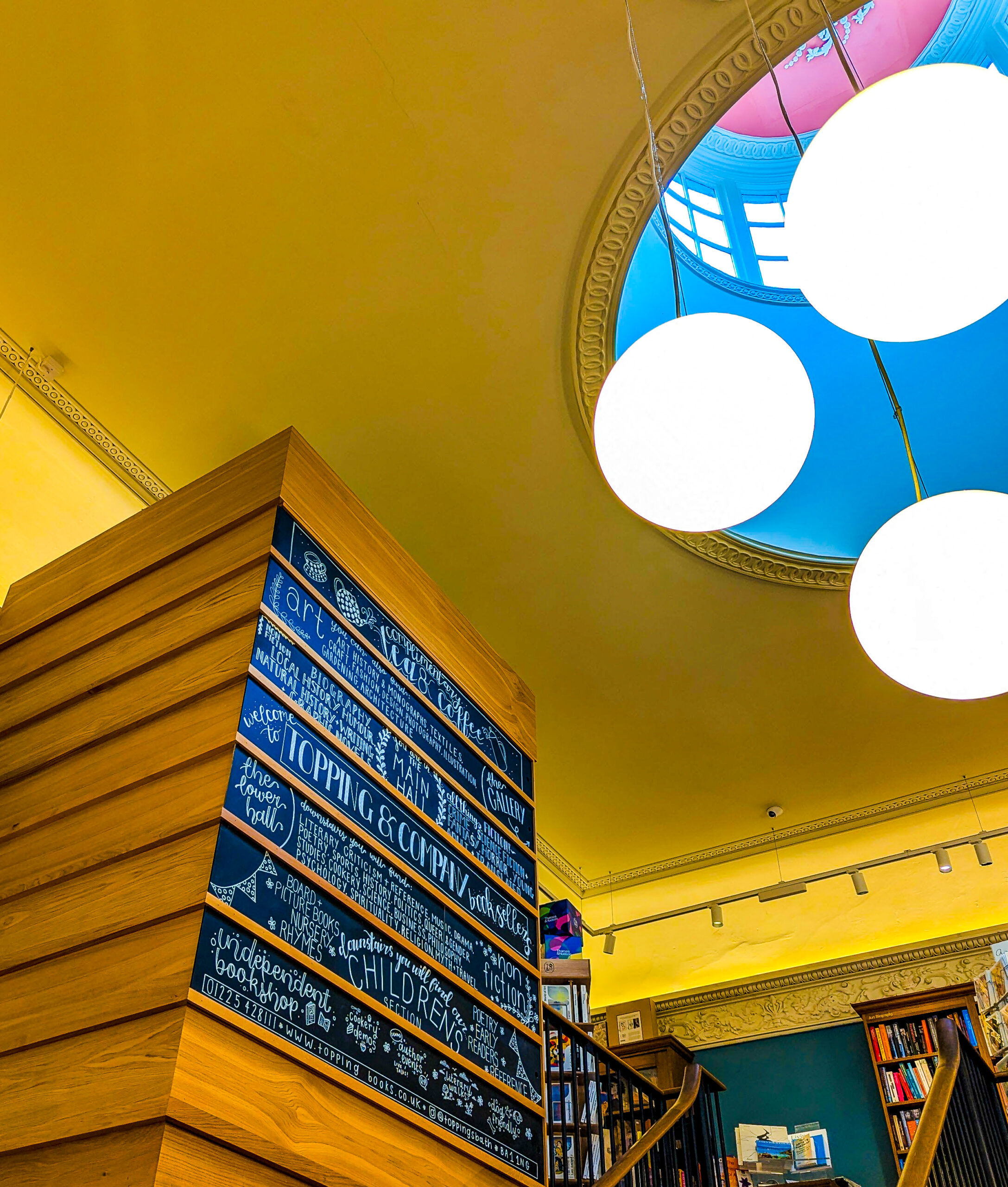
- Topping & Company Booksellers (York Street): Housed in a grand former Friends Meeting House near the Abbey, this breathtaking multi-room bookshop features floor-to-ceiling wooden shelves, rolling library ladders, handwritten staff notes, and complimentary pots of tea or coffee while you browse.
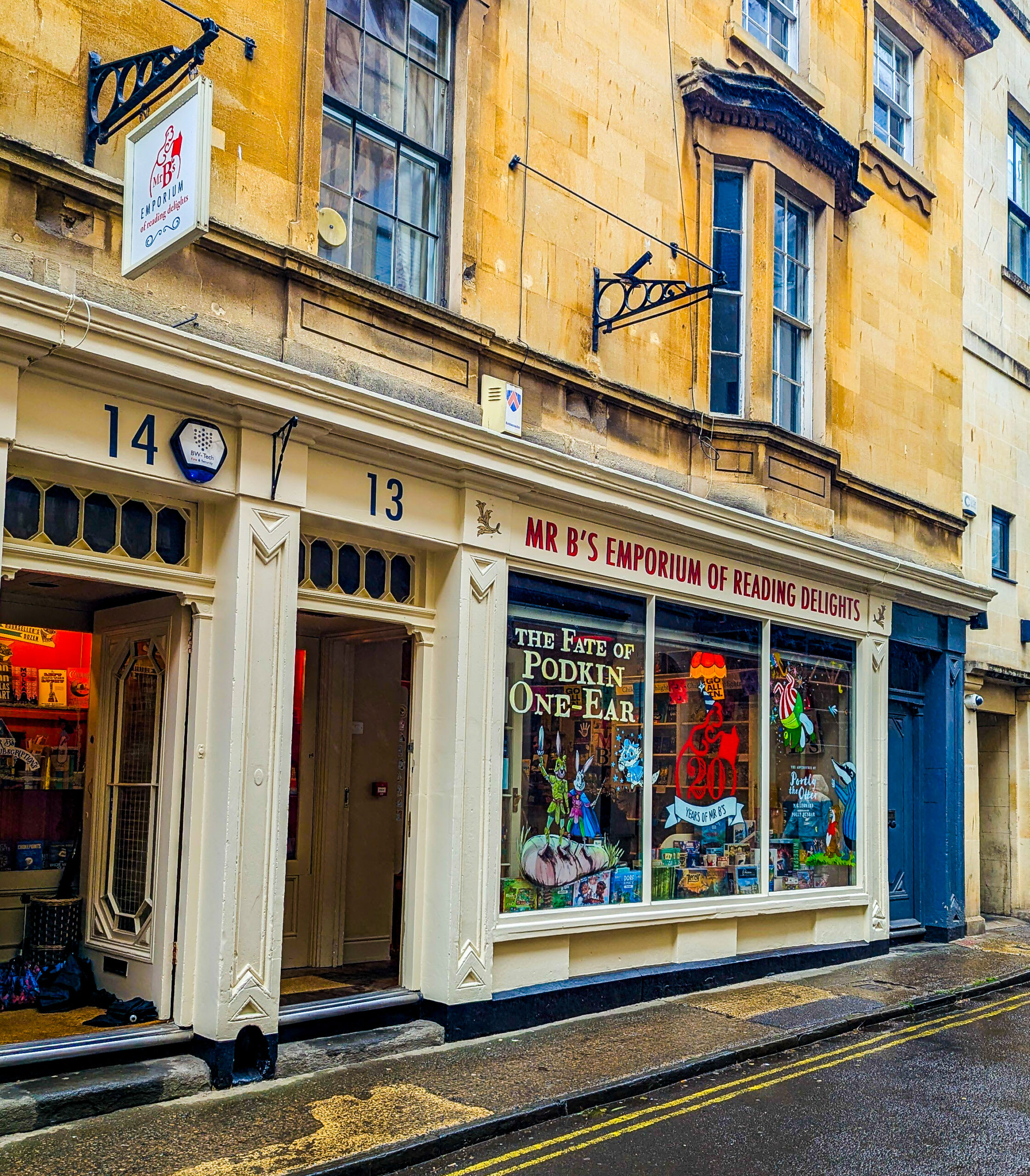
- Mr B’s Emporium of Reading Delights (John Street): Twice named UK Independent Bookshop of the Year, this whimsical, multi-level shop is famous for its themed rooms, passionate booksellers, and bespoke “Reading Spa” bibliotherapy sessions.
- Persephone Books (George Street): The flagship shop of the beloved independent publisher that reprints neglected 20th-century fiction and non-fiction (mostly by women) in signature dove-grey jackets with patterned endpapers.
- Bath Old Books (Margaret’s Buildings): A classic second-hand and antiquarian bookshop located steps from the Royal Crescent, specialising in rare editions, local history, and Jane Austen collectables.
- George Bayntun (Manvers Street): Located near Bath Spa station, this historic antiquarian bookshop and working traditional bindery, founded in 1894, is a must-see for lovers of fine leather bindings and rare volumes.
- Skoob Books (Walcot Street): A tucked-away, treasure-filled second-hand bookshop ideal for hunting down affordable paperbacks, classics, and out-of-print gems.
- The Beaufort Bookshop (Larkhall): A welcoming neighbourhood independent in Larkhall village offering thoughtfully curated new fiction, nature writing, and children’s books.
Libraries and Literary Museums
- Bath Royal Literary and Scientific Institution (Queen Square): Founded in 1824, the BRLSI houses rare books, historic scientific collections, and hosts regular evening talks on literature, history, and science.
- Beckford’s Tower & Museum (Lansdown Hill): Built in 1827 by Gothic novelist William Beckford, this 120-foot neo-classical tower once housed his extraordinary personal library and offers sweeping views across Somerset.
- Bath Central Library (The Podium): Situated above Waitrose in the city centre, offering a strong local Somerset history archive and peaceful reading corners.
Literary Film & TV Locations
The following is a list of literary-based TV shows or films that have used various locations around Bath; from here you can create your own walking tours of your favourites.
- Bridgerton (Netflix): Royal Crescent, Abbey Green, Bath Street, Holburne Museum, and the Assembly Rooms.
- Agatha Christie’s Seven Dials (2026): Filmed across Bath’s historic streets and squares, bringing Christie’s 1920s country-house and society mystery to life.
- Persuasion (1995, 2007, & 2022): The Gravel Walk, Pulteney Bridge, Royal Crescent, and the Assembly Rooms.
- Wonka (2023): Bath Street, the colonnades outside the Roman Baths, and Parade Gardens stood in for the bustling European city where Willy Wonka opens his first chocolate shop.
- Les Misérables (2012): Pulteney Weir served as the dramatic backdrop for Inspector Javert’s iconic scene.
- The Duchess (2008): The Assembly Rooms and Royal Crescent doubled for 18th-century London high society.
- Sherlock: The Abominable Bride (2016): Scenes for the Victorian special were filmed in the atmospheric cellars and streets around the Roman Baths.
Literary Festivals
- The Bath Festival (May): A celebrated multi-arts and literature festival welcoming acclaimed novelists, poets, historians, and musicians to venues across the city.
- Jane Austen Festival (September): A ten-day Regency extravaganza featuring the world-famous Grand Regency Costumed Promenade, theatrical performances, Regency dance workshops, and literary talks.
Jane Austen
Hidden Gems Around Bath
- The Bath Skyline Walk: A six-mile circular National Trust trail winding through ancient woodlands, meadows, and valleys above the city, rewarding walkers with panoramic views of Bath’s Georgian crescents and Iron Age hill forts.
- Prior Park Landscape Garden: An 18th-century valley garden designed with advice from poet Alexander Pope and Capability Brown, featuring one of only four Palladian bridges of its kind in the world.
- The Gravel Walk: A quiet, tree-lined pedestrian path linking Queen Square to the Royal Crescent, famously the exact spot where Captain Wentworth and Anne Elliot reconcile in Persuasion.
- Victoria Art Gallery (Upper Gallery): Located right beside Pulteney Bridge, the free upstairs gallery displays works by Thomas Gainsborough, Walter Sickert, and Grayson Perry.
If You Have Longer: Day Trip Ideas
- Lacock Village (30 minutes by car / 50 minutes by bus): A National Trust-preserved medieval village with no modern streetlamps or TV aerials, famous as a filming location for Harry Potter, Pride and Prejudice (1995), and Downton Abbey.
- Bradford-on-Avon (12 minutes by train): A picturesque riverside market town featuring a 14th-century tithe barn, Saxon church, and cosy canal-side tearooms.
- Bristol (12 minutes by train): Explore Brunel’s SS Great Britain, vibrant street art, and the independent bookshops lining Park Street and Gloucester Road.
Estimated Weekend Budget (Per Person, Mid-Range)
| Expense Category | Estimated Cost (GBP) | Notes |
| Accommodation (2 Nights) | £240 – £380 | Boutique B&B or mid-range central hotel (based on double occupancy) |
| Food & Drink | £120 – £180 | Cafe breakfasts, pub lunches, one fine-dining dinner, and coffee |
| Local Transport | £10 – £20 | Park & Ride tickets or local buses (almost everything is walkable) |
| Attractions | £55 – £75 | Roman Baths (~£30), No. 1 Royal Crescent (~£16), Jane Austen Centre (~£16) |
| Bookshop Spending | £30 – £50 | Optional (though resisting Topping & Co is nearly impossible!) |
| Estimated Total | £455 – £705 | Excludes long-distance train fares or flights to the UK |
Final Thoughts on a City Break to Bath
Few cities reward slow, curious wandering quite like Bath. Between its steaming Roman springs, sweeping Georgian crescents, and thriving independent bookshops, a weekend here feels like stepping inside a living library where every street corner holds another story. Use this itinerary as your starting point, leave plenty of room in your luggage for new paperbacks, and adapt the pace to suit the literary eras and landscapes you love most.
Have you visited the city of Bath? Perhaps you have travelled around the county of Somerset and have other suggestions of places to visit.
Did you enjoy this article? Then PIN it for later…