

Divorce changes nearly every part of family life, and travel is no exception. When parents separate, something as routine as taking a child on holiday can become a source of confusion, conflict, or even legal risk. Many parents are caught off guard by how much planning and communication is required before they can travel with their children after a divorce.
Child arrangements orders, parental responsibility, and consent requirements all play a role in determining what a parent can and cannot do. These rules exist to protect children, but they can feel overwhelming to parents who are simply trying to plan a holiday or visit family abroad. Learning about the legal framework early can prevent serious problems down the line.
This guide walks through the key factors parents need to keep in mind when travelling with children after divorce. It covers consent, legal requirements, common mistakes to avoid, and when it makes sense to seek professional advice. No matter if the trip is domestic or international, short or extended, getting the details right matters.
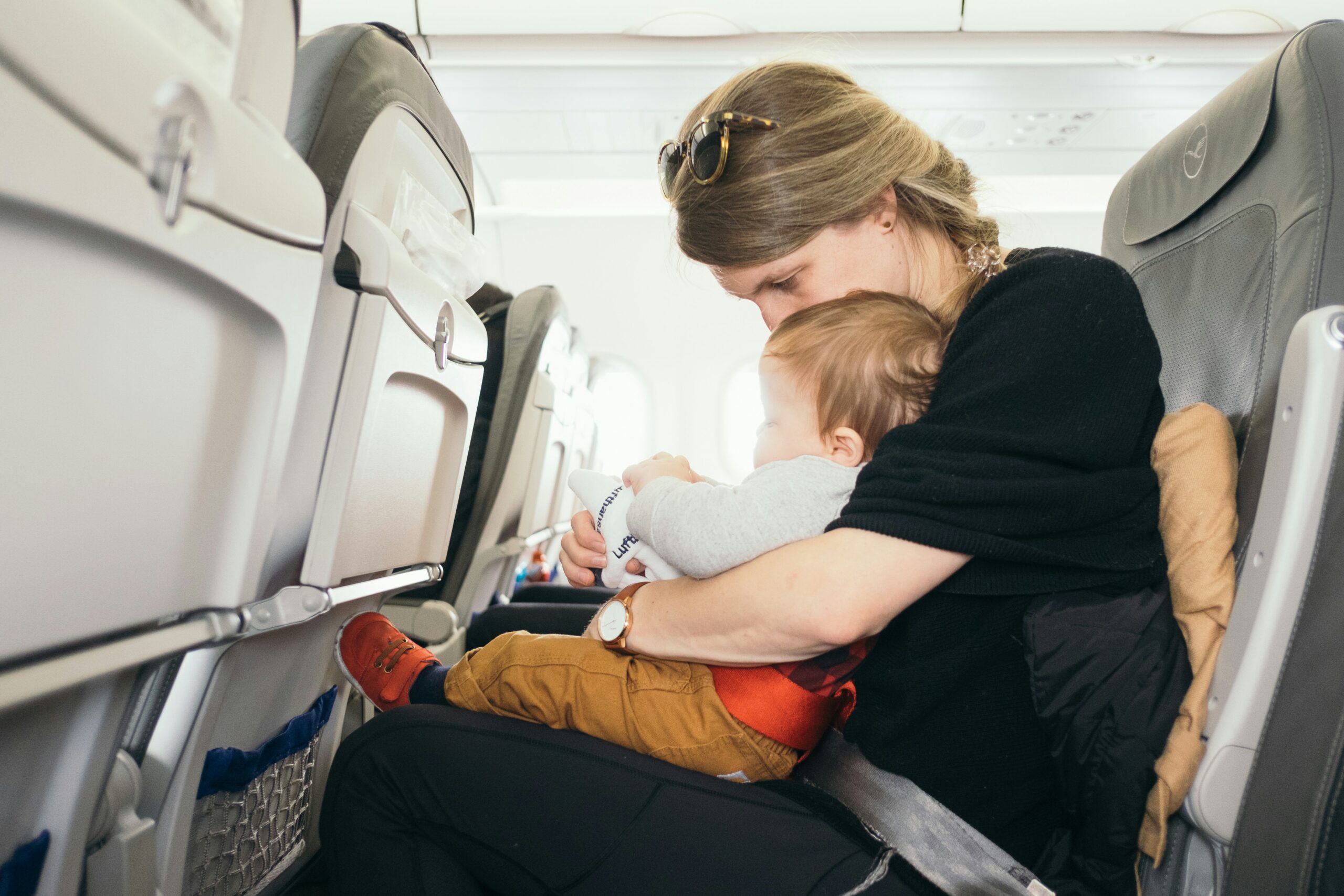
Image provided by Paul Hanaoka (Unsplash)
What to Do First
The first step is to check whether a child arrangements order is in place. Read it carefully. If the other parent holds parental responsibility, their consent may be legally required. This applies to both UK and international trips.
Collect the child’s passport early. Confirm it has not been withheld. Any verbal agreements should be put in writing before travel dates are confirmed. If there is any concern about the child being removed without consent, urgent legal support should be sought straight away.
Document Preparation Checklist
- Parents need to collect the child’s passport.
- Review any arrangement orders that may exist.
- Prepare a letter of written consent, signed and dated by the other parent.
- Keep up-to-date contact details for both parents.
- Include emergency contacts and accommodation information.
If This Is Your Situation Find Your Starting Point
Travel rules for separated parents can seem confusing. Consent from the other parent may be needed before taking a child on holiday. Some trips also have legal requirements about who must give that agreement. These rules are designed to keep children safe.
Parents should know how consent works. They should know what paperwork is needed. Checking these details helps prevent problems. This applies regardless of whether the holiday is in the UK or abroad.
Where travel dates overlap with the other parent’s scheduled time, changes will need to be agreed in advance. Parents relocating temporarily for work face more demanding legal requirements. Keeping communication focused on the child’s needs rather than adult disagreements is recommended.
When You Need Specialist Legal Advice
Some situations require professional help rather than general guidance. If the other parent has refused consent and travel is time-sensitive, legal advice can clarify available options. Where a Prohibited Steps Order may already be in place, this must be confirmed before any action is taken.
Longer-term relocation abroad, an unclear or outdated child arrangements order, and high-conflict circumstances all make travel planning more demanding. For arrangements focused on the child’s well-being and sensitive negotiations, family solicitors in Leicester, like Stowe Family Law, can advise on what a current order permits and what steps are available.
Before You Make Plans Constraints and Risks
Taking a child abroad without consent or a court order may amount to child abduction under UK law. Verbal consent is difficult to prove if a dispute arises. Informal agreements carry genuine risk. Applications for prohibited steps orders or specific issue orders are reported to be increasing over time.
Before confirming any holiday or overseas visit, parents need to check whether any ‘Prohibited Steps Order’ could affect travel plans. Where one exists, it may restrict travel outright. It may require court approval. This can be especially true if past disagreements have been serious.
This check is necessary for anyone with parental responsibility in England and Wales. Making plans without this step could risk breaching an order. It could also mean running into difficulties at the border. Different procedures remain in place for Scotland and Northern Ireland.

Image provided by Juliane Libermann (Unsplash)
Step-by-Step How to Plan Travel With Children After Divorce
Step 1: Confirm Parental Responsibility and Existing Orders
Parents should check who holds parental responsibility. Review any court orders in place. A frequent mistake is assuming a verbal agreement from a previous trip is sufficient. Each trip may require fresh consent. This depends on the terms of the order.
Step 2: Request Written Consent From the Other Parent
Written consent should be requested as early as possible. The request should include travel dates, destination, and accommodation details. Leaving this step too late can result in cancelled plans. It can also cause legal complications.
Step 3: Apply for a Specific Issue Order if Consent Is Refused
If the other parent refuses consent without good reason, an application for a Specific Issue Order may be appropriate. The court will consider what is in the child’s best interests. Travelling without written consent or a court order could have serious legal consequences.
Step 4: Prepare Travel Documentation
Parents should gather the child’s passport, the written consent letter, and a copy of any relevant court order. These documents should be carried during travel. Leave copies with a trusted contact at home. Travelling without written consent on hand is a common and preventable mistake.
Step 5: Communicate the Plan to the Child Appropriately
Children should be told about the trip in a calm and age-appropriate way. The focus should be on practical details such as the destination and duration. Children should not be asked to pass messages between parents. They should not be asked to take sides.

Image provided by Unseen Studio (Unsplash)
Practical Tools and Templates
A written consent letter should include the travel dates and destination. It should list the accommodation address and emergency contact details. Both parents must sign and date the letter. When speaking with a solicitor, it is worth asking what the current order allows.
Common mistakes to avoid include booking non-refundable travel before consent is confirmed. Do not assume a previous trip sets a legal precedent. Do not involve the child in consent negotiations. None of these approaches offer protection if a dispute arises.
This content is for general guidance only and does not provide legal advice. Laws and procedures for child arrangements and travel can differ depending on circumstances or any court orders in place. Always review current regulations, official documentation, and seek information relevant to your situation before making any decisions.
Have you gone travelling with children after divorce, and do you have any advice for others in a similar situation?